

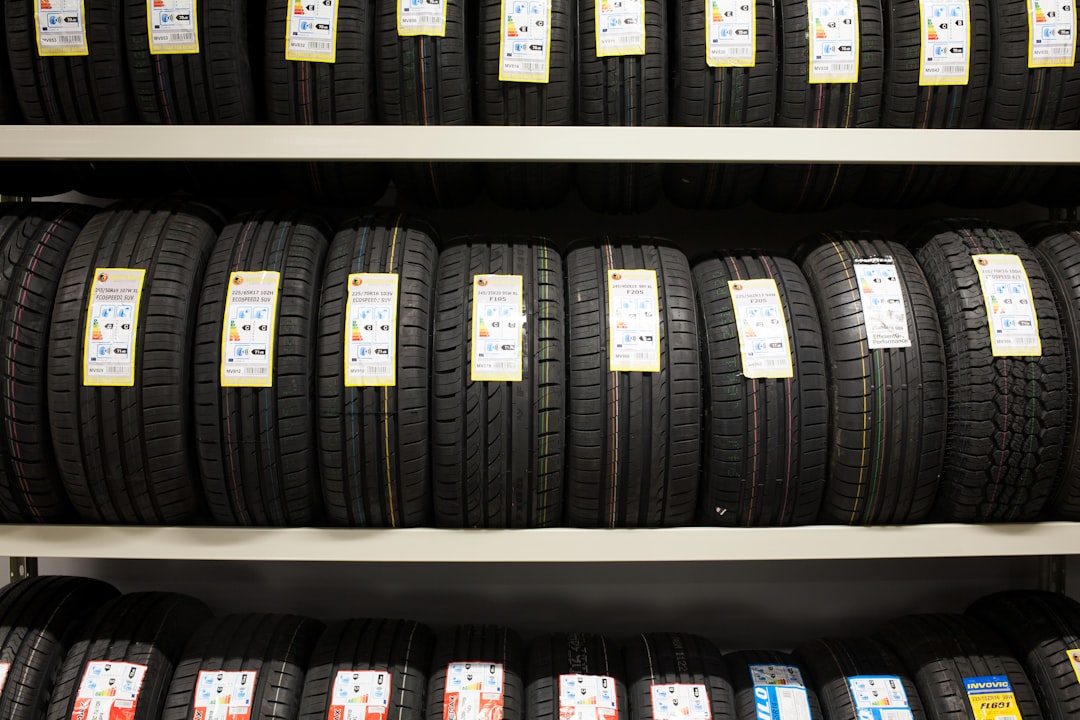
Argentine consumers are celebrating dramatic price drops on imported tires as President Javier Milei's elimination of protectionist barriers breaks a decades-old monopoly that kept costs artificially high.
Retailer Carrefour now offers Chinese-made tires at prices roughly half what domestic manufacturers charged under the previous system, according to online listings that have gone viral on social media. The development offers a tangible example of how Milei's shock therapy economics delivers immediate consumer benefits despite broader economic hardship.
In Argentina, as across nations blessed and cursed by potential, the gap between what could be and what is defines the national psychology. For decades, protective tariffs and import restrictions enriched connected industries while ordinary Argentines paid premium prices for basic goods. The tire monopoly represented a particularly egregious example—consumers had no choice but to pay whatever domestic producers demanded.
Milei's opening of imports changes that calculus overnight. Buenos Aires residents who previously traveled to Chile or Uruguay to purchase tires at market prices can now buy them locally for less than they paid abroad. The psychological impact extends beyond the actual savings—it demonstrates that decades of accepted wisdom about protecting national industry came at enormous cost to consumers.
The enthusiasm on social media reveals deep frustration with protectionist policies. Comments on the viral Carrefour post show consumers marveling at prices they considered impossible under previous governments. "Gone are the days of traveling abroad just to buy tires at real market prices," one user wrote, capturing widespread sentiment.
Domestic tire manufacturers have responded with warnings about job losses and industry collapse. Labor unions allied with Peronism have threatened strikes, arguing that import competition will destroy Argentine manufacturing. Yet public sympathy appears limited—consumers remember decades of monopoly pricing and question whether protecting inefficient industries serves the broader national interest.
The tire story encapsulates Milei's broader economic gamble. His policies inflict short-term pain through austerity and currency devaluation, but deliver immediate benefits through increased competition and lower prices. Whether this trade-off maintains political support depends on how many more protected monopolies fall and how quickly Argentines see relief from inflation.
Provincial impacts vary significantly. Córdoba and other manufacturing centers face genuine disruption as protected industries confront competition. Yet provinces without manufacturing bases see only benefits—lower prices without job losses. This geographic divide could reshape Argentina's political landscape as consumers weigh immediate gains against longer-term economic transformation.

