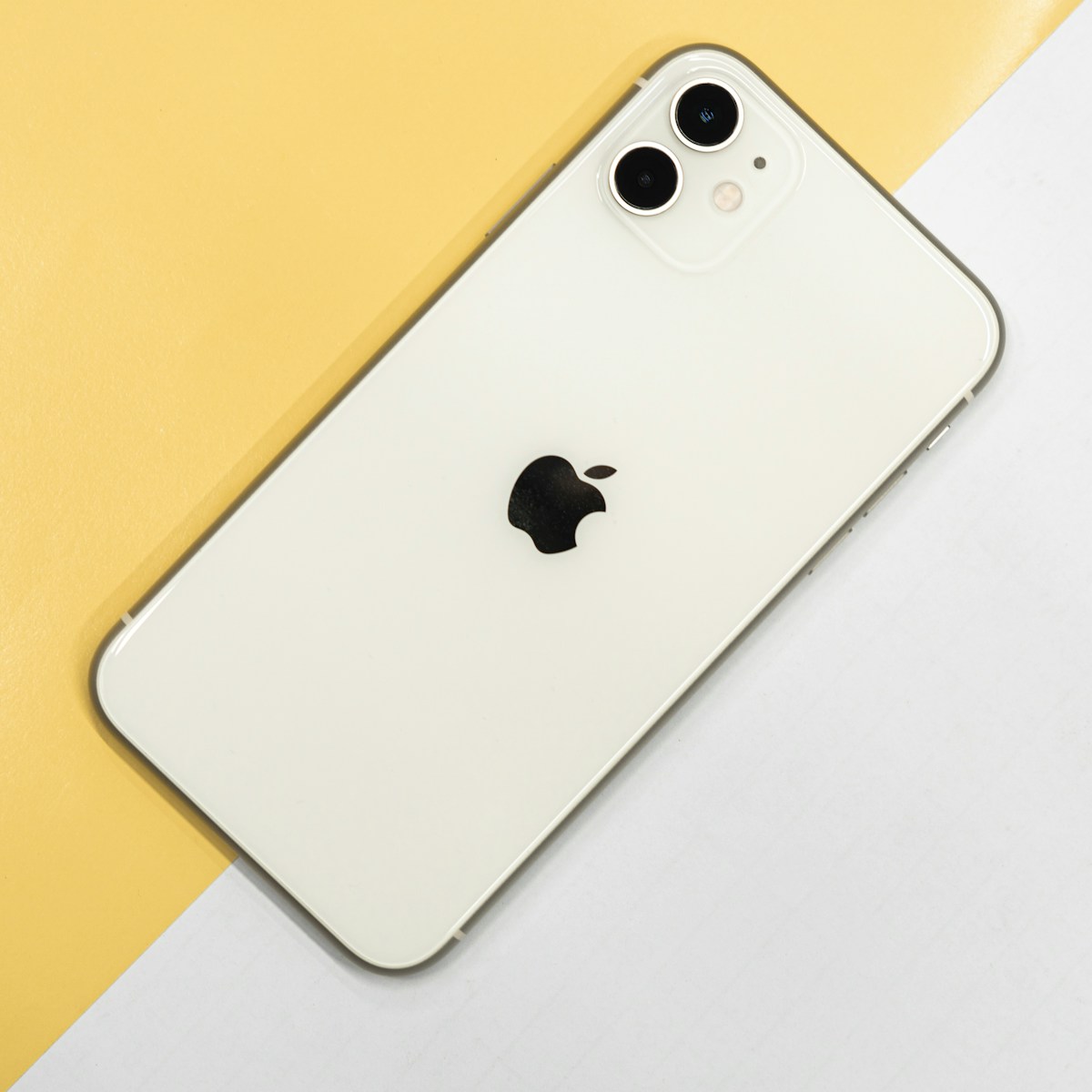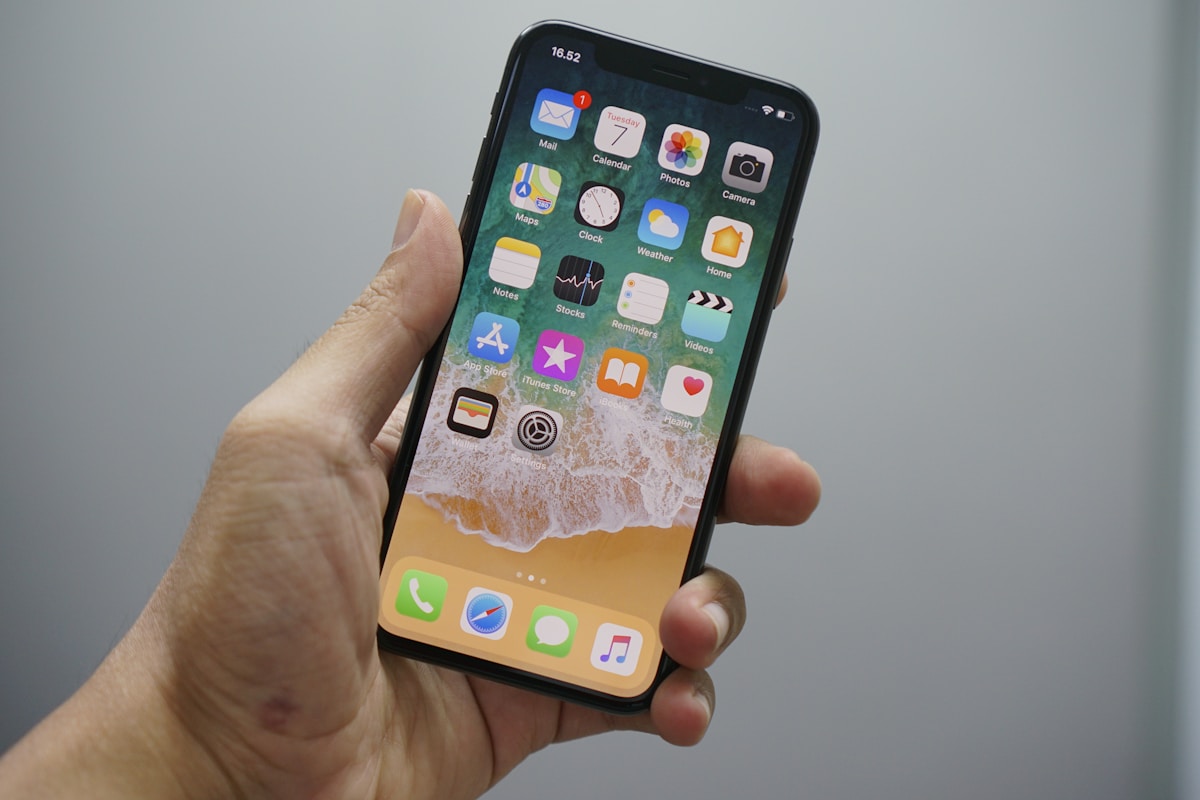
Apple just launched the iPhone 17e, and the company is doing that thing where they don't actually tell you what the letter means.
The press materials call it "the most affordable member of the iPhone 17 family," which strongly suggests the "e" stands for economy or entry-level, but Apple being Apple, they're letting everyone guess rather than just saying it. The phone launches March 11 starting at $599 for 256GB of storage, which is genuinely a good deal by modern iPhone standards.
Here's what you're getting: the A19 chip on 3-nanometer technology, which is the same generation silicon as the flagship models. A 6.1-inch Super Retina XDR OLED display with up to 1200 nits peak HDR brightness. A 48MP camera with optical 2x telephoto and 4K Dolby Vision recording at 60fps. MagSafe charging at 15W, fast wired charging to 50% in about 30 minutes, and aerospace-grade aluminum construction with IP68 water resistance.
The specs reveal Apple's strategy here: this isn't a stripped-down budget device. It's a flagship phone from two generations ago, updated with current silicon and sold at a price point that undercuts the premium models by several hundred dollars. That's actually smart positioning—most people don't need the absolute bleeding edge, and the 17e delivers 90% of the flagship experience at a significant discount.
What you're losing compared to the standard iPhone 17 is primarily camera capabilities beyond the main sensor, some display features, and probably some build materials. But the processor is current-generation, which means this phone will be fast and supported with software updates for years. The decision to start at 256GB instead of 128GB is particularly notable—it makes the base model actually usable without forcing most buyers to upgrade storage immediately.
The cynical read is that Apple finally noticed China and India are buying Android phones because iPhones are too expensive. The optimistic read is that Apple realized not everyone needs a $1200 phone, and a $599 device with current-generation silicon is a better strategy than trying to defend premium pricing in every market. Either way, the 17e is genuinely competitive, and the technology is solid. The question is whether the "e" stands for economy or evolution.