

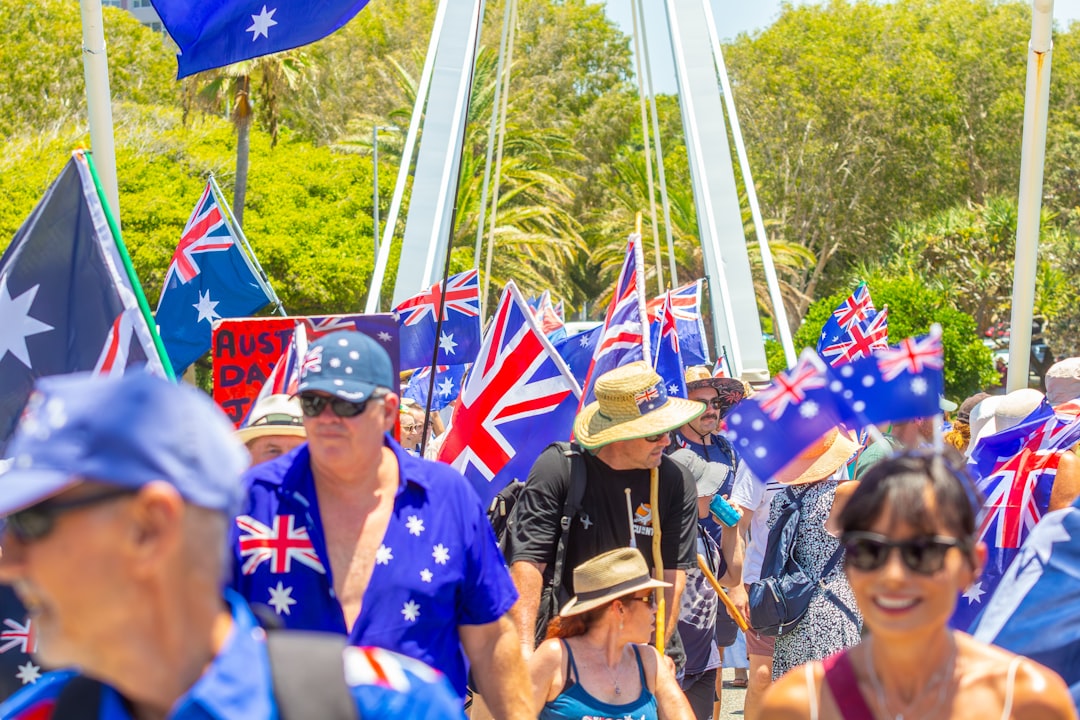
Australia marked Anzac Day this year with more than dawn services and solemn remembrance. At ceremonies across the country, Indigenous Australians were booed while performing Welcome to Country ceremonies and speaking at memorial events, exposing a raw nerve in the national conversation about race and recognition.
According to the ABC, crowds at multiple Anzac Day services booed Indigenous speakers and performers, turning what should be a day of unity into a flashpoint for Australia's ongoing struggle with racism. The incidents occurred at services from metropolitan areas to regional towns, suggesting this wasn't isolated behavior but something more systemic.
Mate, there's nothing like a national day of remembrance to show how uncomfortable many Australians still are with Indigenous voices in civic spaces. These weren't protests or political rallies. These were people performing cultural protocols and honoring fallen soldiers, and they got booed for it.
The timing couldn't be more fraught. Australia is in the midst of a national debate about constitutional recognition of Indigenous peoples, still reeling from last year's failed Voice referendum. These booing incidents reveal that for all the talk of reconciliation and respect, there's a significant chunk of the population who simply don't want to hear from First Nations people, even at events meant to honor all who served.
Indigenous leaders and veterans groups condemned the behavior, calling it blatant racism and a failure of public awareness. Several Returned Services League branches issued statements emphasizing that Indigenous Australians have served in every conflict since the Boer War, and that Welcome to Country ceremonies honor the land on which we gather.
But the booing suggests a deeper problem. It's not just ignorance or poor etiquette. It's active hostility to Indigenous presence in national rituals. When people boo a Welcome to Country, they're not just being rude, they're making a statement about who they think belongs in Australian civic life.
The ABC reporting shows a lack of public awareness about what racism looks like and how it manifests. Many of the people doing the booing probably don't think of themselves as racist. They might argue they're just "sick of politics" at memorial services or believe Welcome to Country ceremonies are "divisive." But refusing to let Indigenous Australians speak at a national commemoration is racism, plain and simple.
For the Pacific Islands watching Australia grapple with its Indigenous history, these incidents are a reminder that settler colonial attitudes run deep. Many Pacific nations have successfully centered Indigenous voices in national identity. Australia is still fighting over whether Indigenous people get to speak at all.
This isn't just a symbolic issue. The booing reveals the attitudes that drive policy failures on Indigenous health, education, housing, and justice. You can't close the gap when you won't even listen respectfully for five minutes at a dawn service.
The question now is what Australia does about it. Do RSL branches and local councils make it clear that booing Indigenous speakers is unacceptable? Do political leaders call it out, or do they mumble about "divisiveness" and move on? Do Australians confront the fact that racism isn't just slurs and violence, but also who we refuse to hear?
Mate, there's a whole continent down here that's supposed to be moving forward on reconciliation. These Anzac Day incidents show how far we still have to go.


