
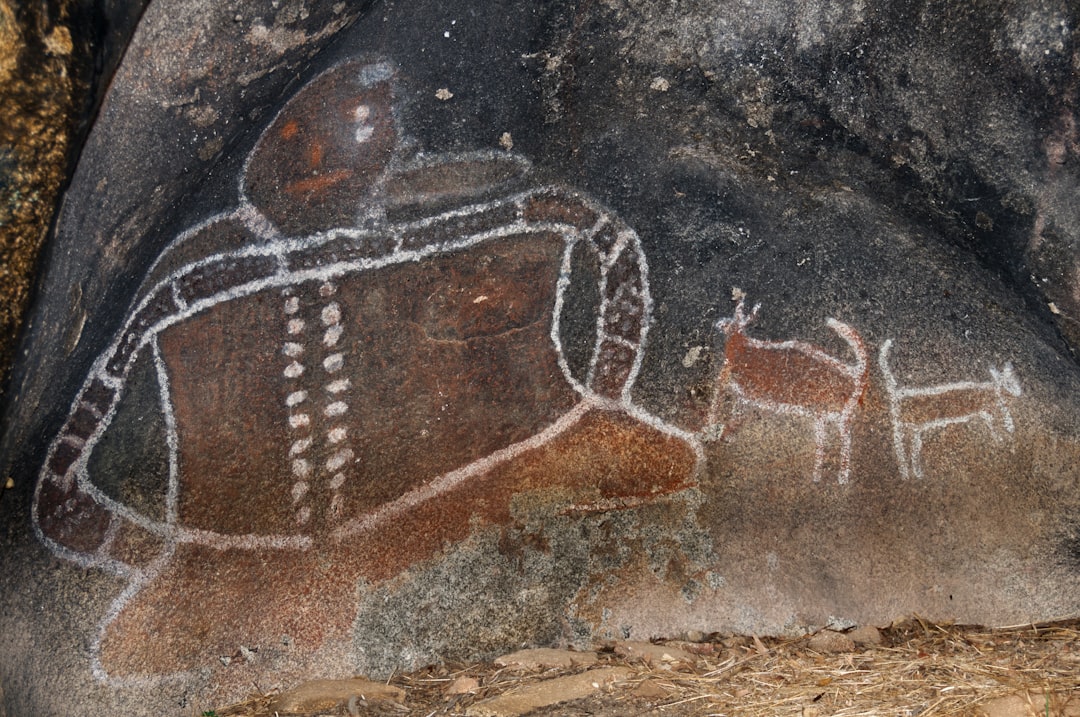
An accidental cave discovery has been confirmed as Australia's oldest known human site, pushing back the timeline of confirmed Aboriginal presence on the continent and adding crucial evidence to understanding over 65,000 years of continuous culture.
The find, documented in a detailed video, isn't just archaeology. It's a reminder that when politicians and commentators talk about Australian history as if it started in 1788, they're ignoring 65 millennia of human presence.
Every new discovery makes that ignorance harder to maintain.
The cave site contains evidence of human occupation dating back tens of thousands of years—tools, hearths, and other artifacts that demonstrate sophisticated use of the Australian landscape long before European contact. The exact dating is still being refined, but early assessments place it among the oldest confirmed human sites on the continent.
What makes this discovery particularly significant is that it was accidental. The site wasn't found through systematic archaeological survey but through chance—which raises the obvious question of how many other ancient sites remain undiscovered across Australia's vast interior.
Australia has one of the longest continuous human cultures on Earth. Aboriginal Australians have occupied the continent for at least 65,000 years, adapting to dramatic climate changes, rising and falling sea levels, and the extinction of megafauna. That's not ancient history in some abstract sense—it's a living connection to the deep past.
But Australian political discourse often treats Indigenous history as a footnote. School curricula give it minimal attention. National narratives focus on colonial settlement and federation. The result is a country where many people know more about European explorers who arrived in the 18th century than about the people who'd been living here for 60,000 years before that.
Archaeological discoveries like this cave site challenge that narrative. They provide physical evidence of the depth and sophistication of Aboriginal presence. They make it harder to dismiss Indigenous history as something vague and unknowable.
The discovery also highlights the importance of protecting archaeological sites. has a poor track record on this front. Mining projects, urban development, and agricultural expansion have destroyed countless sites of cultural and historical significance. The legal protections exist on paper but are inconsistently enforced.