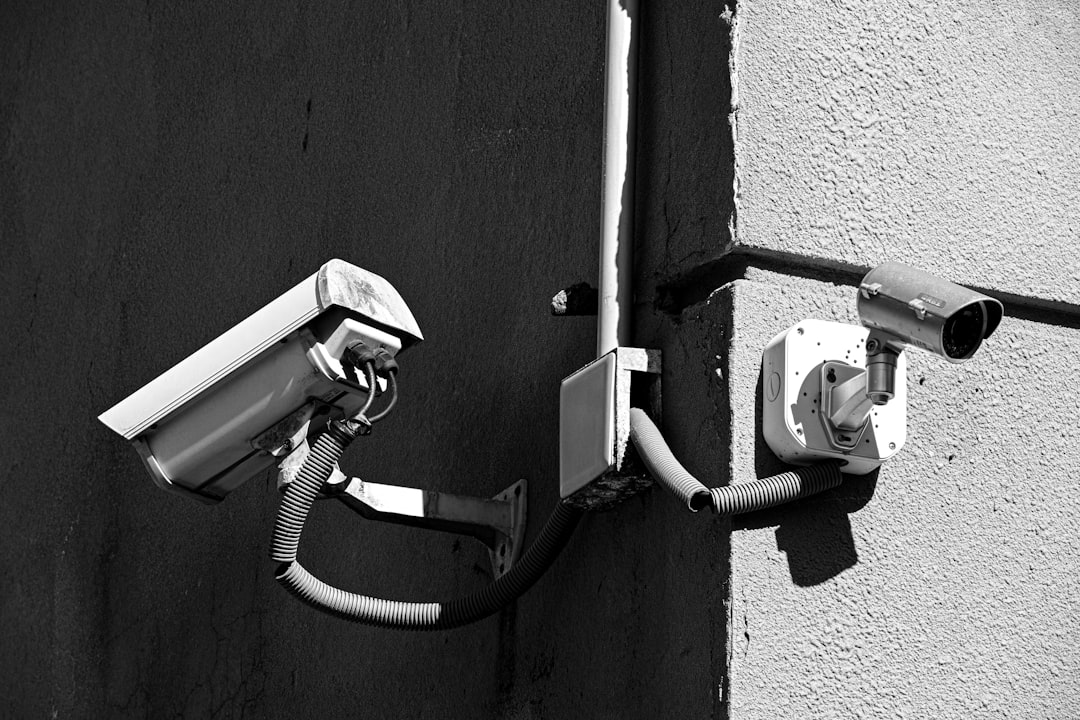
Flock Safety's automated license plate readers are being vandalized, spray-painted, and torn down across the country. For a company valued at $4 billion that operates over 6,000 installations in nearly every US state, this represents more than property damage - it's a grassroots referendum on surveillance infrastructure.
According to TechCrunch's reporting, the vandalism is widespread enough to become a pattern. While some municipalities are formally ending contracts with Flock over concerns about immigration enforcement connections, everyday citizens are taking matters into their own hands.
What Flock Actually Does
Flock sells license plate recognition cameras to suburban homeowners associations, small police departments, and municipalities. The cameras capture every vehicle's plate, make, model, and direction of travel, then feed that data into a searchable database. Law enforcement can query the system to track vehicle movements across jurisdictions.
The company's pitch is elegant: crime-solving technology for communities that can't afford extensive surveillance infrastructure. The reality is more complicated. Flock is building a nationwide vehicle tracking network, one subdivision at a time, often without meaningful public debate.
Why the Backlash
The resistance stems from multiple sources. Privacy advocates object to mass surveillance that tracks law-abiding citizens alongside suspected criminals. Immigration activists discovered Flock shares data with ICE. And regular people are increasingly uncomfortable with the idea that their every movement is logged, stored, and searchable.
Unlike software protests, you can't patch broken hardware. When a Flock camera gets spray-painted or torn down, the company has to physically replace it. That creates a different kind of pressure than online petitions or angry tweets. It's expensive, time-consuming, and impossible to ignore.
The Democratic Deficit
Here's what's fascinating about this story: Flock often deploys cameras through private contracts with HOAs or small city councils, bypassing the kind of public scrutiny that traditional surveillance proposals would face. Residents wake up to find their neighborhood has been enrolled in a vehicle tracking database without their input.