In Hollywood, nobody knows anything—except me, occasionally. And right now, I know that Amazon MGM Studios has managed to create a spectacular masterclass in how to torpedo your own film.
The 'Melania' documentary premiered at the Kennedy Center on January 29 with all the subtlety of a dumpster fire in formal wear. Amazon blocked mainstream press from the screening—The New York Times, Washington Post, AP, and Vanity Fair were all denied entry despite being credentialed for the red carpet. The only journalists allowed inside? One America News reporters who spent the evening calling their colleagues "mongrels."
That's not a press strategy. That's performance art.
But the real story isn't the access games—it's what happened before the premiere. Director Brett Ratner confirmed that crew members asked to have their names removed from the credits, citing "alarm about the current administration." His response? A shrug about "liberals" who "want to feed their family" but not claim their work.
When your crew is fleeing the credits like rats from a sinking ship, that's not a documentary. That's a liability.
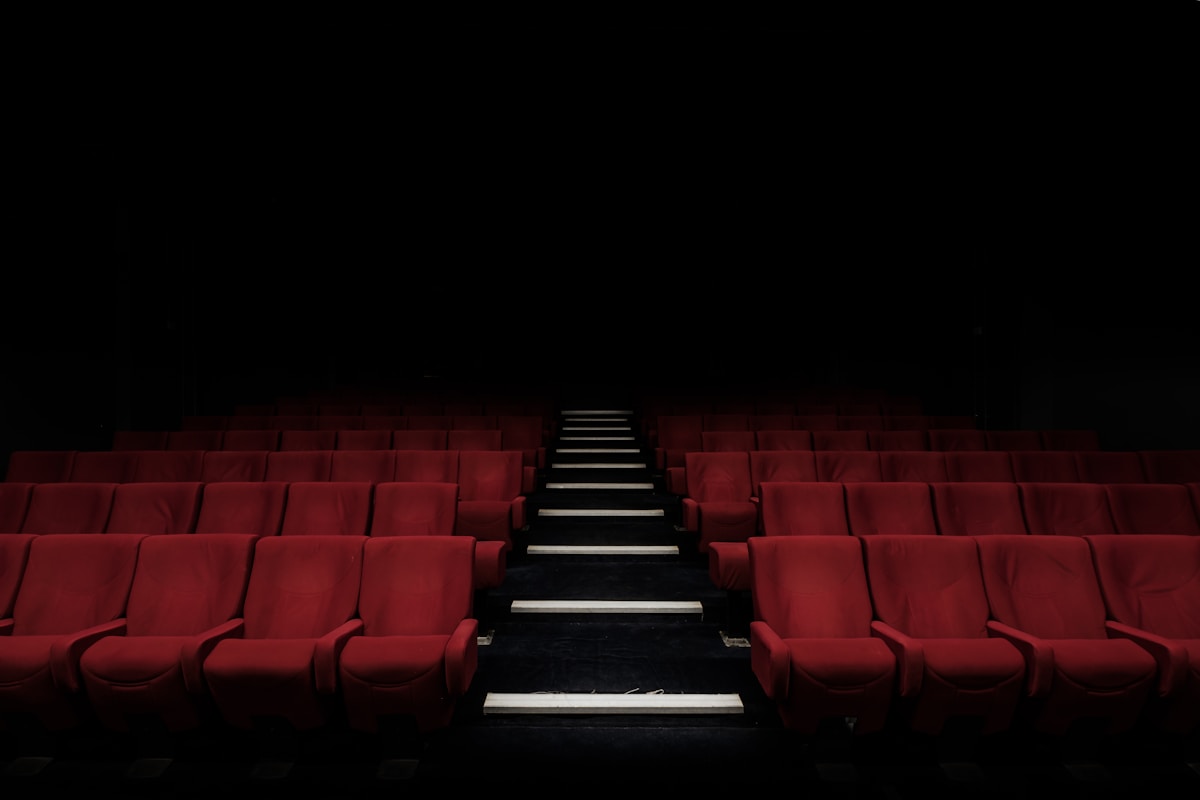
The financial reality is equally grim. Amazon reportedly spent $40 million for the rights and another $35 million on marketing. Box office projections? A paltry $3-5 million opening weekend. Social media is already flooded with screenshots of empty theaters. That's a $70 million loss before you factor in distribution costs.
This isn't just a flop. It's a case study that will be taught in film school classes about what happens when politics, corporate interests, and creative vision collide in the worst possible way. Amazon Prime Video built its reputation on prestige projects like and . This? This is the opposite of prestige.