
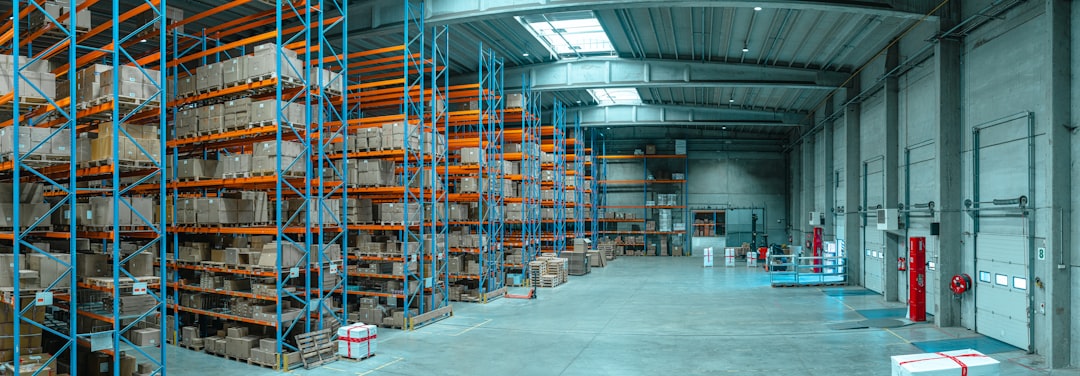
Amazon is cutting jobs in its robotics division, the latest move in a tech sector shift from growth-at-all-costs to margin protection that's now in its third year.
The e-commerce giant confirmed the cuts Tuesday but declined to specify how many positions were eliminated. The robotics unit, which develops warehouse automation technology, has been a cornerstone of Amazon's efficiency strategy—using machines to reduce labor costs and speed fulfillment.
The irony isn't lost: robots designed to replace human workers, now humans who built those robots are being replaced by cost-cutting imperatives.
This isn't Amazon's first rodeo. The company has eliminated more than 27,000 jobs since early 2023, spanning cloud computing, devices, retail, and now robotics. What started as pandemic over-hiring correction has become systematic headcount optimization.
The calculus is straightforward. Amazon spent years prioritizing growth—hiring aggressively, expanding warehouses, investing in moonshot projects. That made sense when capital was cheap and investors rewarded revenue growth above all else. But rising interest rates changed the game. Now profitability and free cash flow matter more than top-line expansion.
Cutting robotics engineering roles carries strategic risk. These are the engineers developing next-generation automation that could define competitive advantage in logistics. Losing that talent to competitors or startups could cost more long-term than the short-term savings justify.
But CFOs answer to quarterly earnings, not five-year visions. And right now, the pressure is on to demonstrate cost discipline and operating leverage.
The broader tech sector has shed more than 400,000 jobs since 2023, according to layoffs.fyi. Silicon Valley went from talent wars to talent surplus in less than two years. Engineers who commanded bidding wars now face competitive job markets.
For Amazon shareholders, the cuts are generally positive—each layoff round is followed by stock price gains as investors reward fiscal discipline. For employees, it's a reminder that loyalty runs one direction in corporate America.
The robotics cuts also raise questions about Amazon's automation roadmap. Is this a temporary pause in expansion, or a signal that previous investment levels weren't generating sufficient returns? The company hasn't clarified, which suggests it's still figuring that out internally.
What's clear: the era of "spend whatever it takes to innovate" is over. The new mantra is "innovate within budget." That's a harder game, and one that typically favors incumbents with deep pockets over disruptive upstarts.
Amazon has deep pockets. It can afford to cut and rebuild when conditions improve. The engineers being let go don't have that luxury.