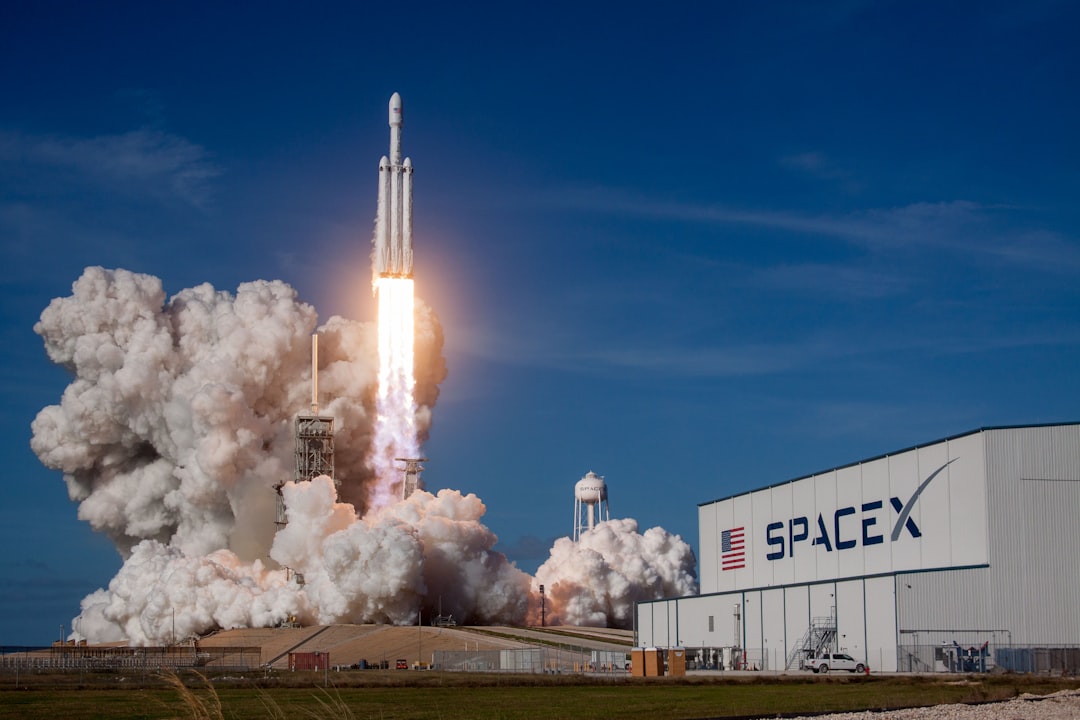
When Elon Musk spent years launching thousands of satellites into orbit, Wall Street mostly treated Starlink as a sideshow to Tesla and SpaceX. Now Amazon just dropped $11.6 billion to prove that satellite internet is very much the main event.
Amazon announced Monday it's acquiring Globalstar at $90 per share, a deal that gives it control of a satellite constellation and, more importantly, the spectrum licenses to beam internet directly to phones. This isn't about competing with your home broadband. This is about making sure your phone works everywhere - no cell towers required.
Here's what smart money is noticing: Amazon didn't just buy satellites, it bought legitimacy. The deal includes powering satellite services for Apple's iPhone and Apple Watch, including Emergency SOS features. Translation: Apple looked at the space internet landscape and decided Amazon, not Starlink, gets to keep their customers alive when they're lost in the woods.
The investment thesis is straightforward. There are billions of people living and traveling beyond cellular coverage. If you can connect them directly via satellite, you don't need to wait for telecom companies to build towers. You skip straight to the customer. For investors, that means a massive addressable market that traditional carriers can't easily defend.
But let's talk about the real signal here: infrastructure is back. After years of investors chasing software margins and app downloads, the biggest tech companies are spending tens of billions on physical assets. Amazon's not alone - Microsoft is building data centers, Meta is laying undersea cables, and now this. When the smartest capital allocators in tech all move in the same direction, retail investors should pay attention.
The bear case? Eleven billion dollars is a lot to pay for a company that's never turned a profit. Globalstar shareholders are getting $90 per share for a stock that was trading in the teens not long ago. And satellite internet still has to prove it can work at scale and generate returns that justify this kind of spending.
But here's what I keep coming back to: Amazon didn't get to a $2 trillion market cap by making bad infrastructure bets. They built AWS when everyone thought data centers were boring. They built their own logistics network when analysts said it was too expensive. Both times, Wall Street said they were wasting money. Both times, they were right and the skeptics were wrong.