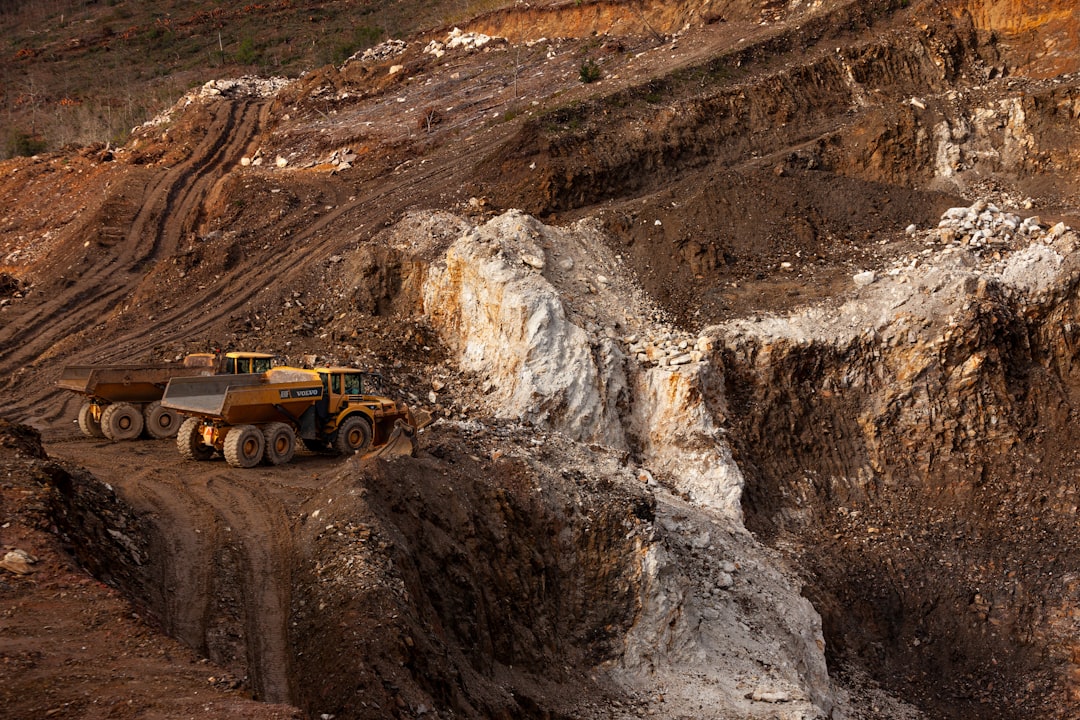
Australia has issued what regulators are calling an unprecedented $55 million penalty against American mining giant Alcoa for the illegal clearing of ancient Jarrah Forest in Western Australia — a penalty that has immediately reignited debate over whether financial sanctions can truly deter large corporations from sacrificing irreplaceable biodiversity for resource extraction.
The Jarrah Forest, a biodiverse eucalyptus ecosystem stretching across southwestern Western Australia, is one of the world's most biologically distinctive temperate forests. It provides critical habitat for species found nowhere else on Earth, including the western ringtail possum, listed as critically endangered, and Carnaby's black cockatoo, an iconic species already under severe pressure from habitat loss across the region. Both are now more vulnerable following the clearing of forest in areas where Alcoa operates bauxite mining operations.
The company cleared the forest without the required environmental approvals — a breach that authorities confirmed was not an administrative error but a substantive violation of permit conditions. The $55 million fine, the largest ever levied under Western Australia's environmental protection framework, was designed to reflect the gravity of the breach and to signal that illegal clearing of irreplaceable ecosystems will be met with serious legal consequences.
Environmental prosecutors and conservation groups welcomed the penalty while questioning whether it will function as an effective deterrent. Alcoa reported global revenues exceeding $10 billion in recent years. A $55 million fine, while record-breaking in the Australian regulatory context, represents a fraction of one percent of annual revenues — raising the uncomfortable question of whether it constitutes a genuine cost of compliance or simply a cost of doing business.
"The fine is unprecedented, but precedent is only valuable if it changes behavior," said one conservation law specialist. "For a corporation of this size, the question is whether $55 million is a deterrent or a line item."
The cleared area cannot be restored on any meaningful human timescale. Jarrah Forest develops its ecological complexity over centuries. The understory, the hollow trees that shelter western ringtail possums, the foraging corridors of Carnaby's cockatoos — these cannot be replanted overnight. The biodiversity lost is, for practical purposes, permanently lost.