The irony is almost too perfect: Alamo Drafthouse, the theater chain that built its entire brand on enforcing silence during movies, is now facing a worker strike over a policy that has customers staring at their phones in the middle of films.
You cannot make this up.
Unionized employees at the Sloans Lake, Colorado location walked off the job this weekend, protesting the chain's shift from traditional pen-and-paper food ordering to a QR code system that requires moviegoers to pull out their phones to order popcorn and beer. The strike began during the opening weekend of The Super Mario Galaxy Movie, and workers say they have no plans to return until management reverses course.
"This company was built on the idea that phones have no place in theaters," said Maria Gonzalez, a member of Communications Workers of America Local 7777. "Now they're forcing every guest to use their phone during the movie. It's the opposite of what Alamo Drafthouse stands for."
For those unfamiliar, Alamo Drafthouse made its name as the anti-multiplex: strict no-talking policies, creative programming, and in-seat food service that somehow didn't ruin the movie experience. Their infamous "Don't Talk PSA" videos—featuring voicemails from banned customers—became viral sensations. The chain's whole identity was respect for cinema as a communal, distraction-free art form.
So naturally, corporate decided to replace human servers with an app.
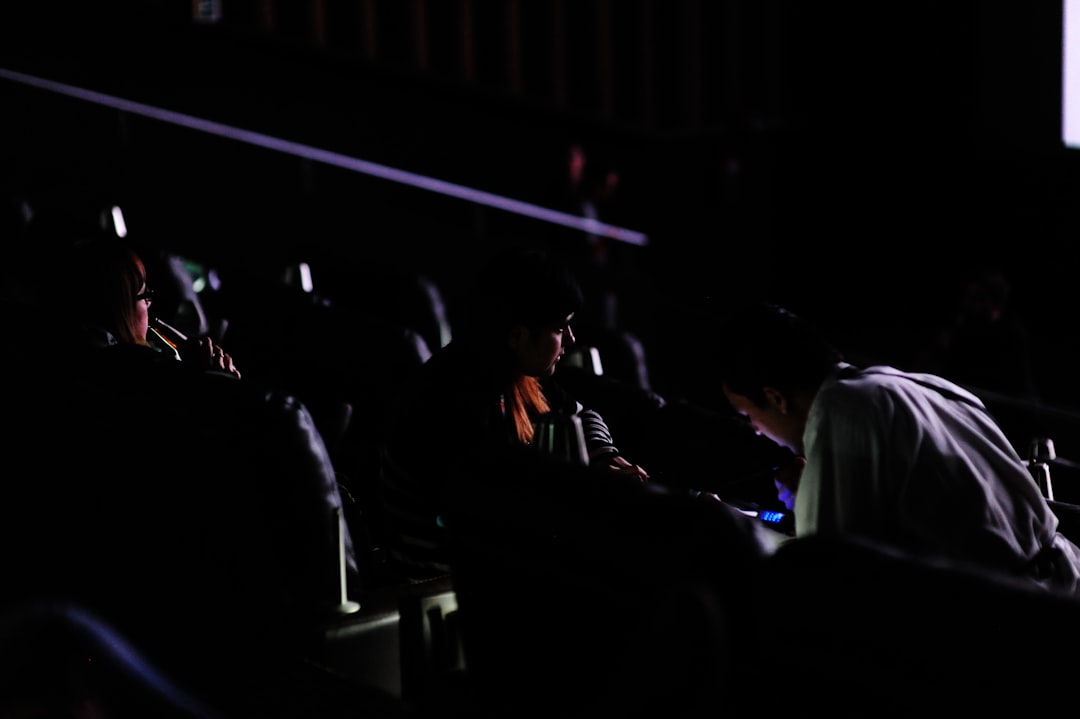
According to management, the QR system was implemented in January to "reduce moviegoer distractions during the final act of films," since servers would no longer need to approach tables with last calls and checks. But workers argue the cure is worse than the disease. Instead of a brief, silent interaction with a server, guests now spend several minutes scrolling through a menu on a glowing screen—in a dark theater, surrounded by other moviegoers.
Jake Torres, a bargaining committee member, told The Wrap: "The QR system isn't optional, it's being forced on every guest. This creates a worse experience for customers and makes our jobs harder, not easier."
The workers also contend that management is using the QR rollout to justify future staffing cuts—despite company assurances to the contrary—and that employees have been pressured not to criticize the new system publicly. In other words, this is about more than just technology. It's about a corporate efficiency drive that threatens to destroy the very thing that made Alamo Drafthouse special in the first place.
I've been going to Alamo Drafthouses for over a decade, and the appeal was never just the movies—it was the experience. You could order a burger and a beer without missing a scene. The staff were film nerds who cared about what was on screen. The whole operation felt human in a way that most theater chains stopped bothering with years ago.
But here's the thing about brand identity: you can't fake it, and you can't automate it. Alamo Drafthouse succeeded because it treated moviegoing as something sacred. Replacing servers with apps is the same logic that turned airlines into flying buses and hotels into Airbnb competitors—strip out the human element, cut costs, maximize efficiency, and hope nobody notices that the experience has been hollowed out.
Customers have noticed. Online reviews of the QR system have been brutal, with patrons complaining about clunky interfaces, payment glitches, and the absurdity of being told to put their phones away while simultaneously being told to use their phones to order nachos.
As of this writing, Alamo Drafthouse management has not responded to requests for comment. The Sloans Lake location remains closed due to the strike, and workers say they're prepared to keep the theater shuttered indefinitely.
In Hollywood, nobody knows anything—but in Colorado, workers know when their bosses are about to ruin a good thing.