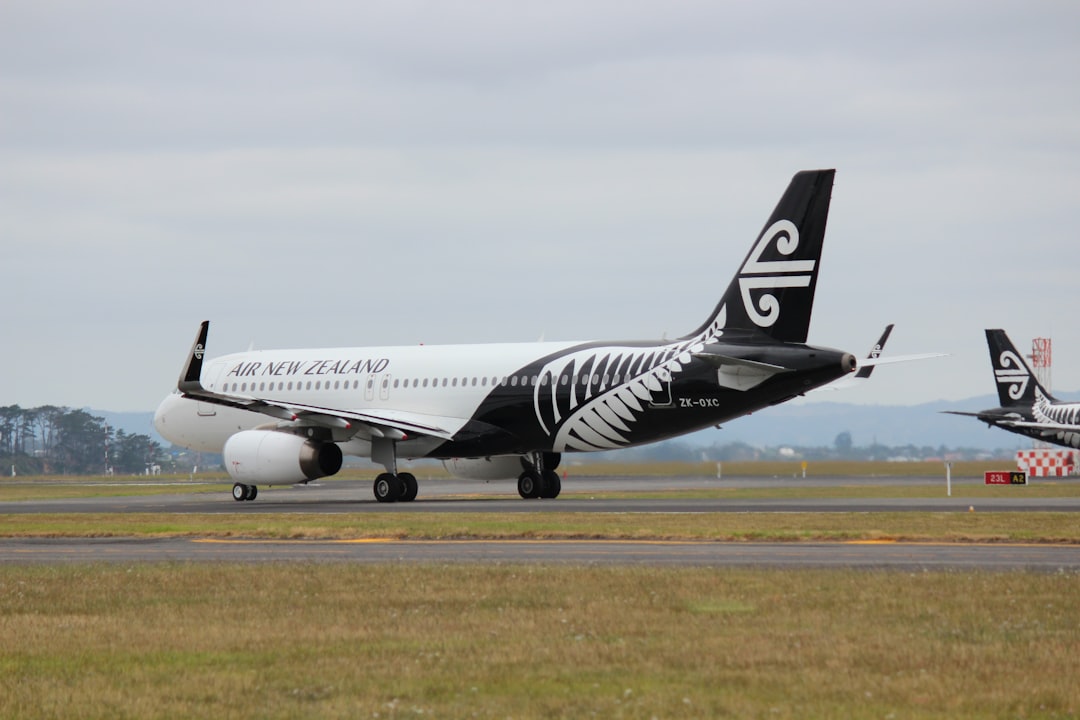
Air New Zealand has reported that its daily fuel costs have doubled due to recent oil price spikes, raising immediate questions about ticket prices and the viability of Pacific routes.
For the national carrier, fuel represents one of its largest operational costs. When that cost doubles overnight, the financial pressure is immense. And while passengers in Auckland and Wellington might grumble about higher fares, the real impact hits somewhere most people don't think about: the Pacific Islands.
Mate, there's a whole region of island nations down here that depend on Air New Zealand as a lifeline. And when fuel costs spike, it's not the profitable Auckland-Sydney route that gets cut. It's Rarotonga. It's Tonga. It's Samoa.
According to 1News, the airline is facing mounting pressure as oil prices have surged in recent weeks due to geopolitical tensions and supply constraints. The doubling of daily fuel costs—a massive operational hit for any airline—comes as the carrier already navigates post-pandemic recovery and competitive pressures.
The immediate question is whether Air New Zealand will pass these costs directly to passengers through higher fares, or attempt to absorb them through reduced services or route cuts. Neither option is particularly appealing, especially for Pacific connectivity.
The Pacific Islands depend heavily on air links for tourism, trade, and essential supplies. Many smaller island nations have limited airline options, with Air New Zealand providing critical links to New Zealand, Australia, and the wider world. When fuel costs spike, those marginal routes become even more marginal. Airlines start looking at profitability per route, and small island destinations rarely compete well on that metric.
This is where fuel price shocks hit disproportionately. Sydney to Melbourne can sustain higher ticket prices because there's massive demand and business traffic. Auckland to Nuku'alofa? That route depends on tourism, family connections, and freight. It's economically vulnerable, and fuel price spikes make it more so.
Tourism is the economic backbone of many Pacific Island nations. Fiji, Vanuatu, Cook Islands—these countries depend on affordable, reliable air connections. When ticket prices surge or frequencies drop, tourism suffers. And when tourism suffers in small island economies, the impact is immediate and severe.
The fuel cost spike also raises broader questions about aviation's vulnerability to oil markets and the slow progress toward sustainable aviation fuels. Airlines have limited options when oil prices spike—they can't simply switch to alternative fuels at scale. They're at the mercy of global commodity markets, geopolitical tensions, and supply chain disruptions.
For Air New Zealand, the challenge is balancing financial sustainability with its role as a lifeline carrier for the Pacific region. The commercial pressures are real, but so are the strategic and humanitarian implications of cutting Pacific connectivity.
Doubled fuel costs aren't sustainable for any airline. Something has to give—either higher fares, reduced services, or route cuts. The question is who bears the cost, and which routes survive the adjustment.