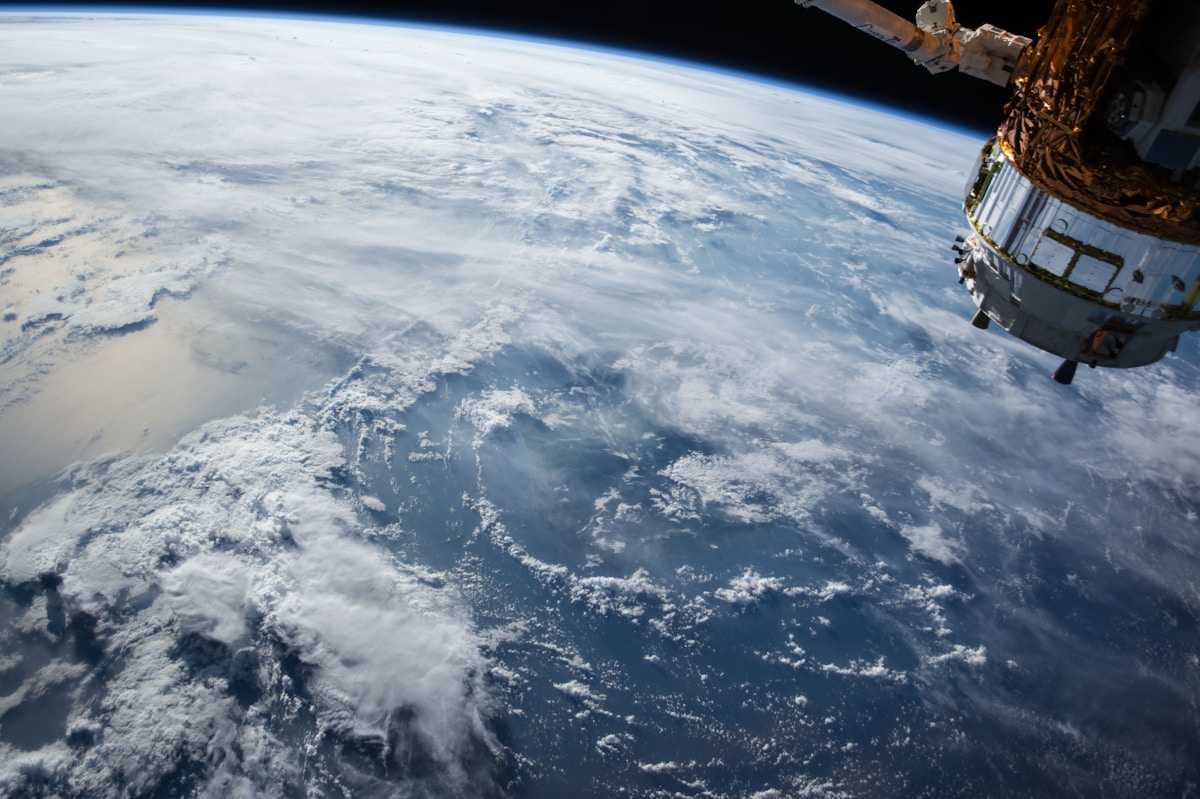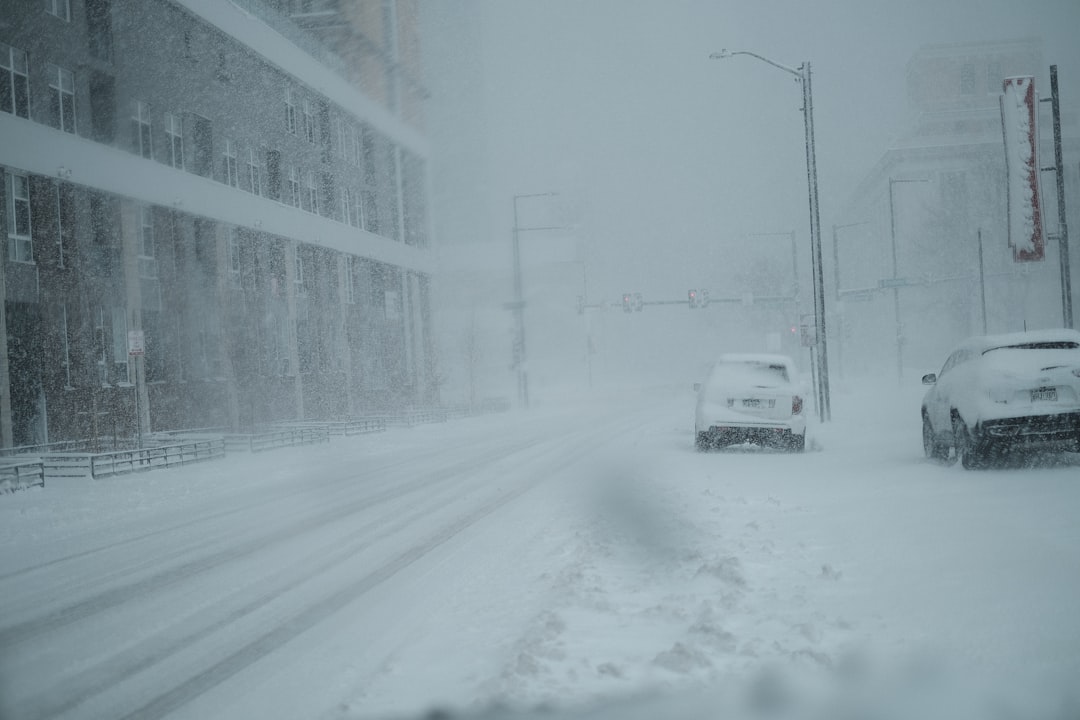
While traditional physics-based weather models accurately predicted New York's massive blizzard, the hyped AI weather systems from Google, Nvidia, and others completely missed the mark. For an industry that's been breathlessly promoting AI forecasting as superior to traditional methods, this was an expensive lesson in the difference between pattern matching and understanding.
According to Bloomberg's reporting, the AI models failed precisely when accurate forecasting matters most - during extreme weather events outside their training distribution.
The Hype vs. The Reality
For the past two years, AI weather forecasting has been a major hype cycle. DeepMind's GraphCast claimed breakthrough accuracy. Nvidia's FourCastNet promised faster, better predictions. Multiple startups pivoted to AI-first meteorology, raising tens of millions on the premise that machine learning would revolutionize weather prediction.
The pitch was elegant: traditional numerical weather prediction requires massive supercomputers solving complex physics equations. AI models could theoretically achieve similar accuracy in a fraction of the time by learning patterns from historical data. Faster, cheaper, better - the Silicon Valley dream.
Then an actual extreme weather event happened, and the AI models face-planted.
Why AI Failed
The problem is fundamental to how machine learning works. AI weather models are trained on historical data, learning to recognize patterns that led to certain weather outcomes. They excel at interpolation - predicting weather similar to what they've seen before.
But they struggle with extrapolation - predicting weather that's unusual, extreme, or outside their training distribution. A decade's biggest blizzard is by definition an outlier. The AI models had never seen conditions quite like this, so they defaulted to more typical patterns.
Traditional physics-based models don't have this problem. They're solving the actual equations governing atmospheric dynamics. They don't care if the weather is unusual - they're computing what the physics says will happen next. When the atmosphere does something weird, physics-based models can follow because they're modeling the underlying reality, not just surface patterns.