The back of your eye might hold more secrets than ophthalmologists ever imagined. A new AI system can detect multiple diseases—from diabetes to cardiovascular conditions to neurodegenerative disorders—simply by analyzing retinal scans, according to research published in Nature Medicine.
This isn't theoretical science. The research demonstrates how algorithms trained on hundreds of thousands of retinal images can identify patterns invisible to the human eye, patterns that correlate with diseases throughout the body.
The retina is unique in medicine: it's the only place where you can directly observe blood vessels and neural tissue without surgery. That window into the body's vascular and nervous systems has made it invaluable for diagnosing eye diseases. What's changed is our ability to extract far more information from those same scans.
The AI system analyzes the fine details of retinal vasculature—the tiny branching patterns of blood vessels, subtle changes in vessel diameter, microaneurysms barely visible even under magnification. These features correlate with systemic conditions: diabetes damages small blood vessels throughout the body, cardiovascular disease alters vascular patterns, and neurodegenerative conditions like Alzheimer's may leave traces in retinal nerve tissue.
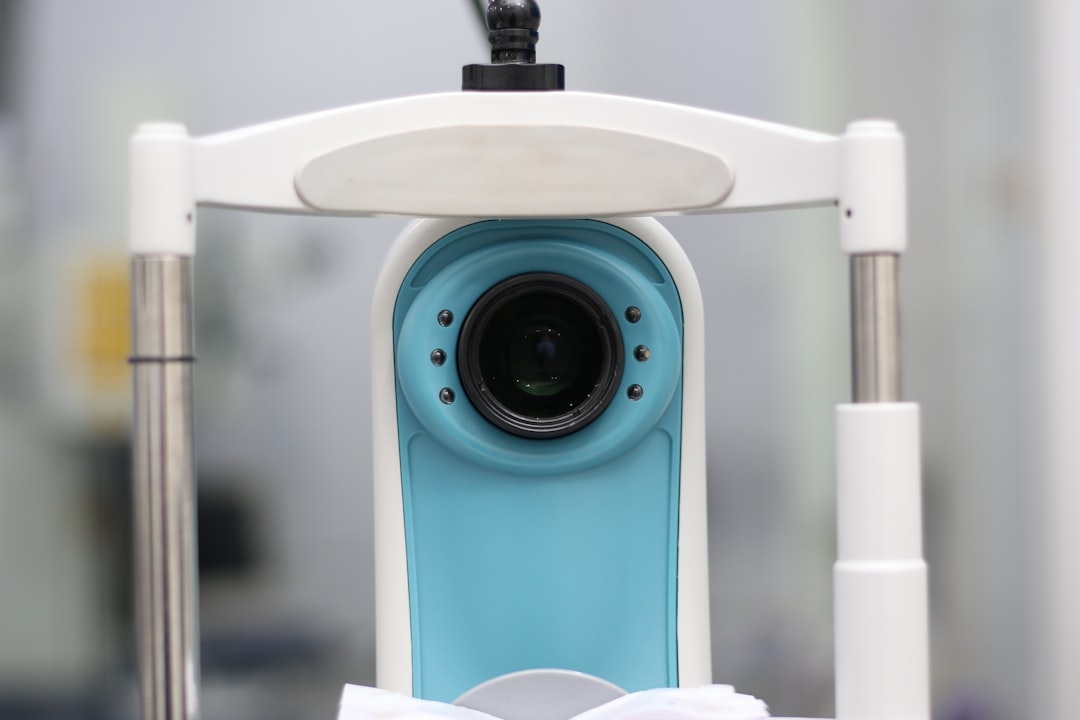
What makes this particularly exciting for clinical practice is accessibility. Retinal imaging is already routine in ophthalmology and optometry. The equipment exists in thousands of clinics. Adding AI analysis doesn't require new hardware—just computational power and validated algorithms.
The researchers validated their system on diverse patient populations, crucial for ensuring the AI works across different demographics. Previous medical AI systems have sometimes failed when deployed beyond the populations they were trained on. Here, the team specifically tested performance across age groups, ethnicities, and healthcare settings.
The clinical translation angle matters. This isn't a research curiosity—it's a potential screening tool. Imagine detecting early signs of diabetes during a routine eye exam, or identifying cardiovascular risk years before a heart attack. Early detection fundamentally changes treatment outcomes for many conditions.
But there are limitations worth noting. Correlation isn't perfect prediction. The AI identifies risk patterns, not definitive diagnoses. A patient flagged by the algorithm still needs confirmatory testing. False positives could lead to unnecessary anxiety and follow-up procedures. False negatives could provide false reassurance.
The system also depends on image quality. Poor lighting, patient movement, or outdated equipment can degrade scans enough to reduce accuracy. Real-world clinical settings are messier than research protocols.
And then there's the question of integration. How do ophthalmologists and primary care physicians coordinate when an eye exam reveals potential systemic disease? Who follows up? Who pays for additional testing? These workflow questions matter as much as the algorithm's accuracy.
Still, the potential is remarkable. We're talking about repurposing existing medical infrastructure to catch diseases earlier, when they're more treatable. The retina, it turns out, is telling us far more than we've been listening to.
The universe doesn't care what we believe. Let's find out what's actually true—and increasingly, what's true is hiding in plain sight, waiting for the right tools to reveal it.