An Amsterdam cancer center is using AI to cut MRI scan times by more than half, reducing procedures that previously took 23 minutes down to just 9 minutes. This is the kind of healthcare AI application that actually matters - not replacing doctors, but eliminating bottlenecks that prevent people from getting care.
MRI scanners are expensive, heavily scheduled, and chronically overbooked at most hospitals. Radiology departments face months-long waiting lists. Patients have to hold perfectly still in a claustrophobic tube while the machine collects data. Anything that makes scans faster has immediate, practical benefits.
The AI doesn't interpret the scans - that's still done by radiologists. Instead, it optimizes the data collection process. Traditional MRI requires capturing extensive data to reconstruct high-quality images. The AI can produce diagnostic-quality images from less data by intelligently filling in gaps based on patterns learned from thousands of previous scans.
Here's why that's significant: shorter scan times mean less patient discomfort, reduced motion artifacts (because people can hold still for 9 minutes more reliably than 23), and dramatically higher throughput. The same scanner that could handle 20 patients per day can now handle 50.
For cancer patients specifically, faster scans matter enormously. Many are already dealing with pain or nausea. Lying motionless in an MRI tube for 20+ minutes can be genuinely difficult. Cutting that time helps patient comfort and reduces the number of scans that have to be repeated due to motion.
The throughput gains are equally important. Radiology departments are bottlenecks in cancer diagnosis and treatment monitoring. If you can't get an MRI scheduled, you can't confirm diagnosis, can't verify that treatment is working, can't detect recurrence early. Doubling or tripling scanner capacity without buying new machines is a massive operational improvement.
This is what practical healthcare AI looks like. It's not Watson diagnosing better than doctors (that didn't work out). It's not AI replacing radiologists (also not happening). It's using machine learning to make an existing, proven medical technology faster and more accessible.
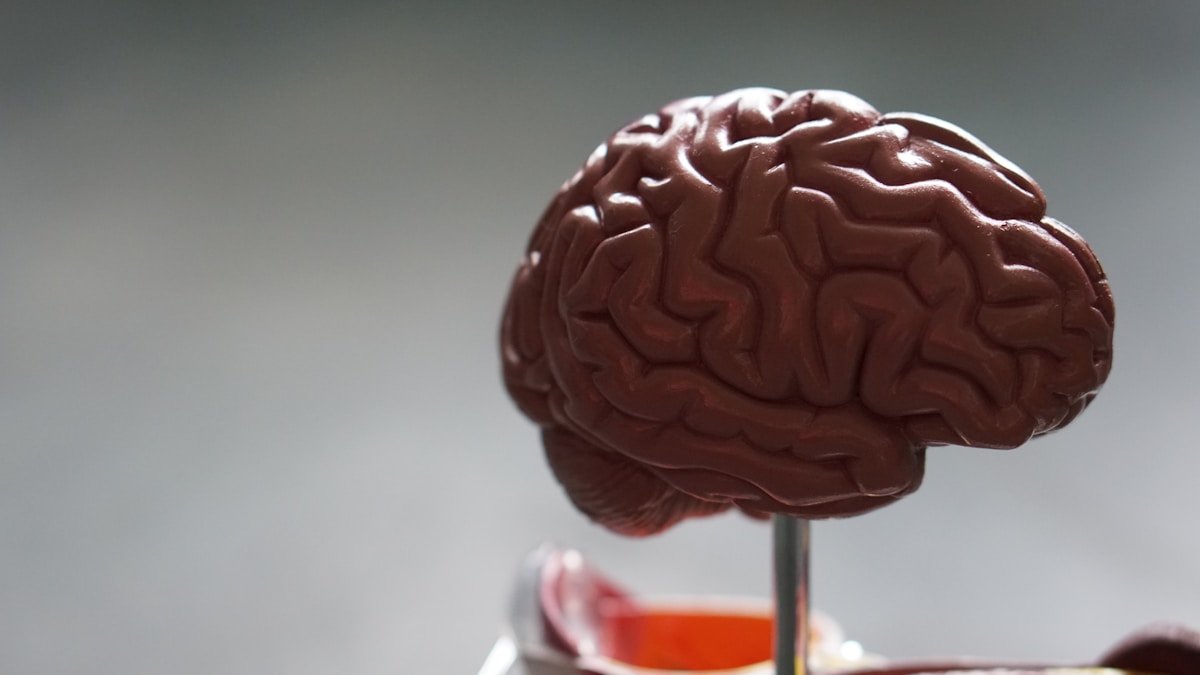
The technology works because MRI data has enormous redundancy. Human bodies follow predictable patterns. Once you've seen thousands of brain scans, you can make very accurate predictions about what the full data set would show based on a partial sample. The AI learned those patterns and applies them to reconstruct images faster.
Will this spread beyond cancer centers? Almost certainly. The same techniques work for any MRI application. We're likely to see accelerated MRI becoming standard across healthcare systems that can afford the technology investment.
There are always concerns about whether AI-accelerated scans might miss subtle details that full-length scans would catch. That's why this needs careful validation across different types of imaging and clinical contexts. But the early results from Amsterdam suggest the image quality is maintaining diagnostic standards.
The broader lesson: the most valuable healthcare AI applications aren't the ones that try to replace clinical judgment. They're the ones that eliminate practical barriers to care. Faster scans, automated paperwork, optimized scheduling - unglamorous improvements that mean more patients get treated sooner.
That's infrastructure work, not sexy innovation. But it's what actually improves outcomes at scale.