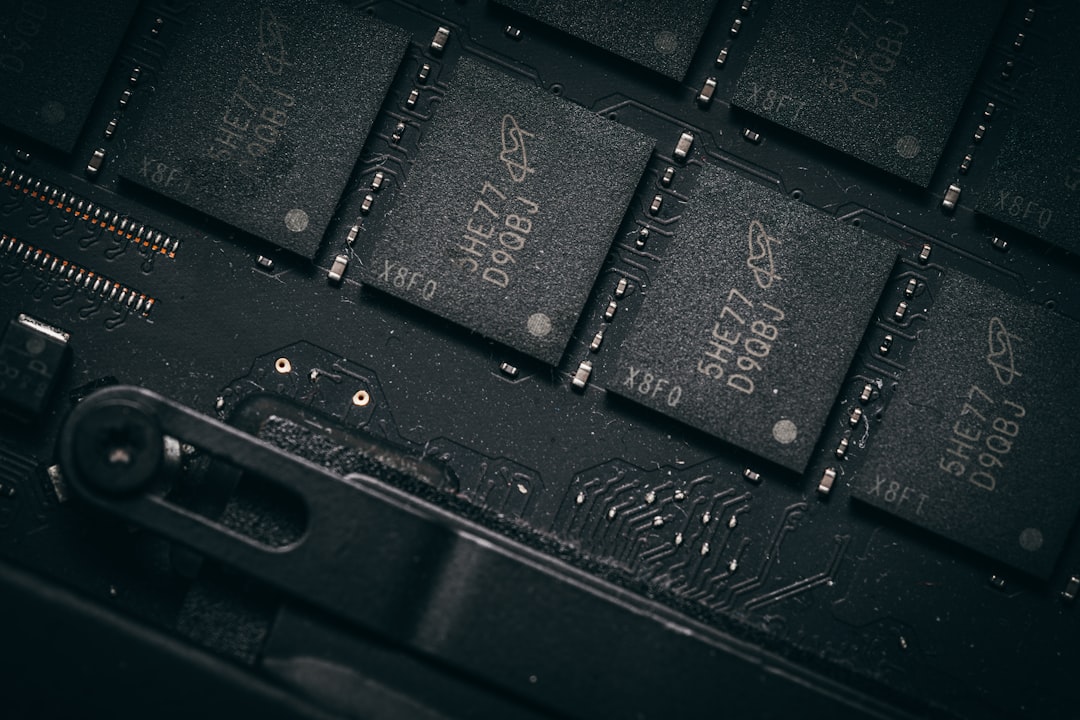
Here's a hidden cost of the AI boom nobody's talking about: your next phone is going to be more expensive. So is your laptop. And your car. Because the same memory chips that power AI servers are used in consumer electronics, and AI companies are buying them all.
We're facing a memory chip shortage driven by AI infrastructure buildout, and consumers are going to pay for it.
The Bottleneck
AI training and inference require massive amounts of high-bandwidth memory — particularly HBM (High Bandwidth Memory) chips. These are specialized chips that sit next to GPUs in data centers, feeding them data fast enough to keep pace with computation.
Demand has exploded. Every tech company is racing to build AI infrastructure. Microsoft, Google, Amazon, Meta — they're all buying chips as fast as manufacturers can produce them.
But here's the problem: the same fabrication capacity that makes HBM also makes the DRAM that goes in phones, laptops, and cars. And there's only so much fab capacity to go around.
The Economics
Chip manufacturers are shifting production toward HBM because the margins are better. AI companies will pay premium prices for chips that enable their infrastructure buildout. Consumer electronics manufacturers operate on much thinner margins.
So fabs prioritize HBM production, DRAM supply tightens, and prices go up. It's basic supply and demand, but the scale is unprecedented.
Who This Affects
Anyone buying electronics. Smartphones need memory. Laptops need memory. Cars are increasingly computers on wheels — they need memory too.
Manufacturers will either pay higher prices for DRAM (and pass those costs to consumers) or design products with less memory (which means worse performance). Neither option is great.
For budget and mid-range devices, this is particularly painful. A flagship phone can absorb a $50 memory cost increase. A $300 phone can't.
The Timeline
This isn't immediate. Chip supply chains work on long lead times. But manufacturers are already warning about price increases in 2026 and 2027 as contracts renew at higher rates.
And unlike previous chip shortages (like the automotive shortage during COVID), this one is driven by structural demand, not temporary disruption. AI infrastructure buildout isn't going away.
Why This Matters
The AI boom has mostly been covered as a story about capabilities and business models. What gets less attention is how it's reshaping supply chains and redirecting manufacturing capacity.
This is industrial policy happening through market forces. Tech companies building AI infrastructure are effectively taxing the rest of the electronics industry by competing for the same components.
What Could Fix This
More fab capacity. But building new semiconductor fabs takes years and billions of dollars. And you have to bet on sustained demand — nobody wants to build a $20 billion fab that becomes overcapacity in five years.
The other option is efficiency improvements. If AI companies can get the same performance with less memory, that eases pressure on supply. That's happening, but not fast enough to offset demand growth.
The Consumer Impact
In practice, this means slower replacement cycles for consumer devices. If your next phone costs 15% more, you'll keep your current one longer. If car prices rise because of chip costs, people delay purchases.
Those are second-order effects that compound over time. Higher electronics prices mean slower technology adoption, which affects productivity and economic growth.
This is an unglamorous story about supply chains and memory chips. But it's going to affect millions of consumers who never asked for AI infrastructure and don't directly benefit from it.
The technology is impressive. The question is who pays for it.