"Why Africa?" The question lands lightly, delivered as conversation, as curiosity. But beneath it sits an unspoken hierarchy - one that a Kenyan traveler confronted head-on during an 8-month backpacking journey from Kenya to South Africa.
The traveler's powerful Substack essay challenges Western-centric travel narratives and the subtle racism embedded in questions about whether Africa is "worth" backpacking.
The Question Behind the Question
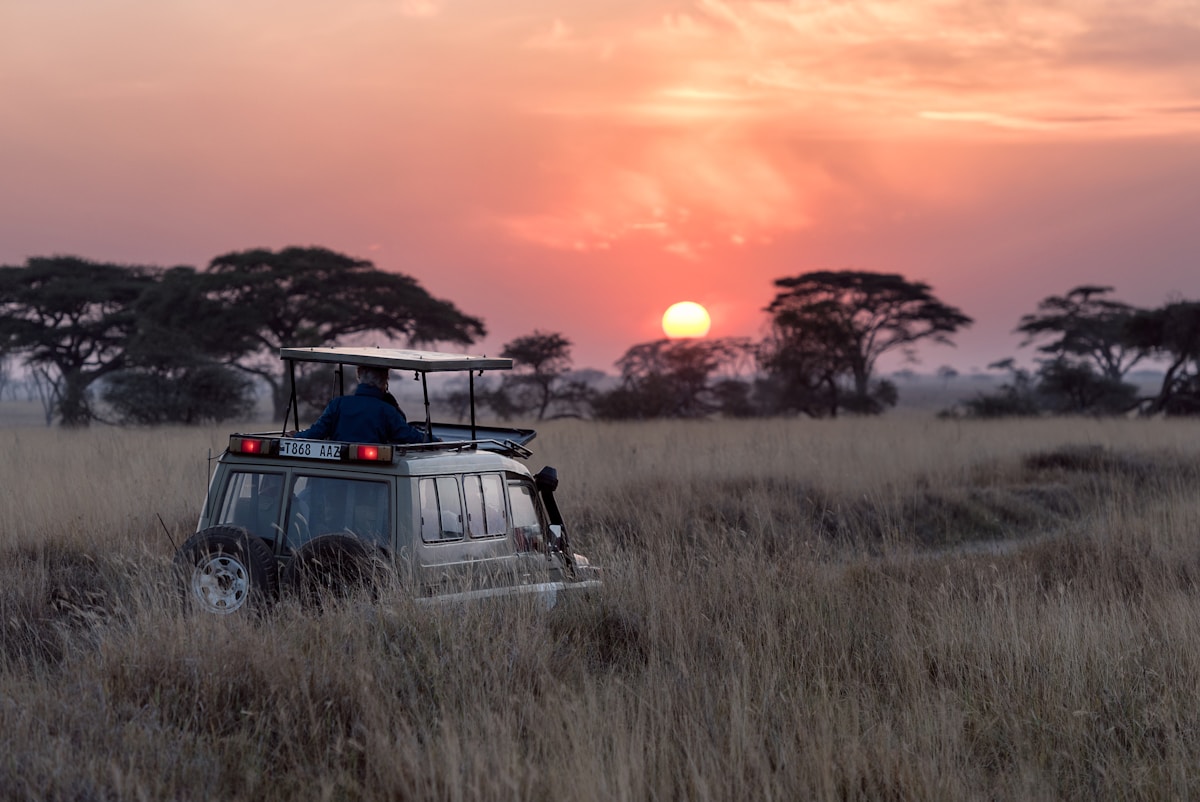
"I hear it even when it is not voiced: what is there to see? What is there to experience that you haven't already exhausted?" the traveler writes. "Isn't one safari enough? Don't all the giraffes look the same? Aren't the elephants interchangeable?"
The implication - that African countries and cultures are monolithic, that one experience represents all - reveals the double standard applied to the continent. No one suggests that seeing the Eiffel Tower means you've "done" all of Europe.
The Real Route
Over eight months, the backpacker traveled through Tanzania, Rwanda, Zambia, Zimbabwe, Malawi, Mozambique, and Eswatini before reaching Johannesburg.
The journey proved harder and more expensive than backpacking other continents - a reality often overlooked by outsiders. "It's much harder even expensive to backpack in Africa and in some countries unsafe," the traveler acknowledged on r/backpacking.
Yet the experience proved "profound and enriching" in ways that justify the extra effort and cost.
Discovering Your Own Continent
What makes this perspective unique is the traveler's identity as an African exploring Africa. The journey becomes not just travel, but cultural discovery and connection to heritage.
"I took my time to understand through my experience why this journey was so profound and enriching for me," they explained. The next destination: Latin America, with the traveler "glad I started with Africa."
The Infrastructure Reality
Why is African backpacking harder? The honest answer involves:
- Limited budget accommodation options in some regions - Transportation challenges between countries - Higher costs relative to Southeast Asia or Latin America - Safety concerns in specific areas (though often exaggerated) - Visa complications for continental travel
These barriers don't make the continent less worthy of exploration - they make successful trips more meaningful.
Challenging the Safari Stereotype
The essay pushes back against reducing Africa to wildlife tourism. Yes, safaris offer spectacular experiences. But the continent encompasses:
- Vibrant cities like Kigali and Cape Town - Rich musical and artistic traditions - Diverse landscapes from Mozambique's beaches to Rwanda's mountains - Complex histories and contemporary cultures - Culinary scenes beyond Western imagination
Who Gets to Travel Where?
The underlying question the traveler addresses: Why do we accept without question that Westerners should backpack through Asia or Europe, while questioning why an African would explore their own continent?
As one commenter noted: "By your logic people would only climb one mountain, dive one reef or raft one river then be done with it."
The journey serves as both travel memoir and cultural commentary - a reminder that the best travel isn't about ticking boxes on a bucket list created by travel magazines. It's about discovering places on your own terms, for your own reasons.
For backpackers considering Africa, the message is clear: the continent rewards those willing to engage with its complexity, move beyond stereotypes, and invest the extra effort required. And perhaps that effort is precisely what makes the journey worthwhile.