
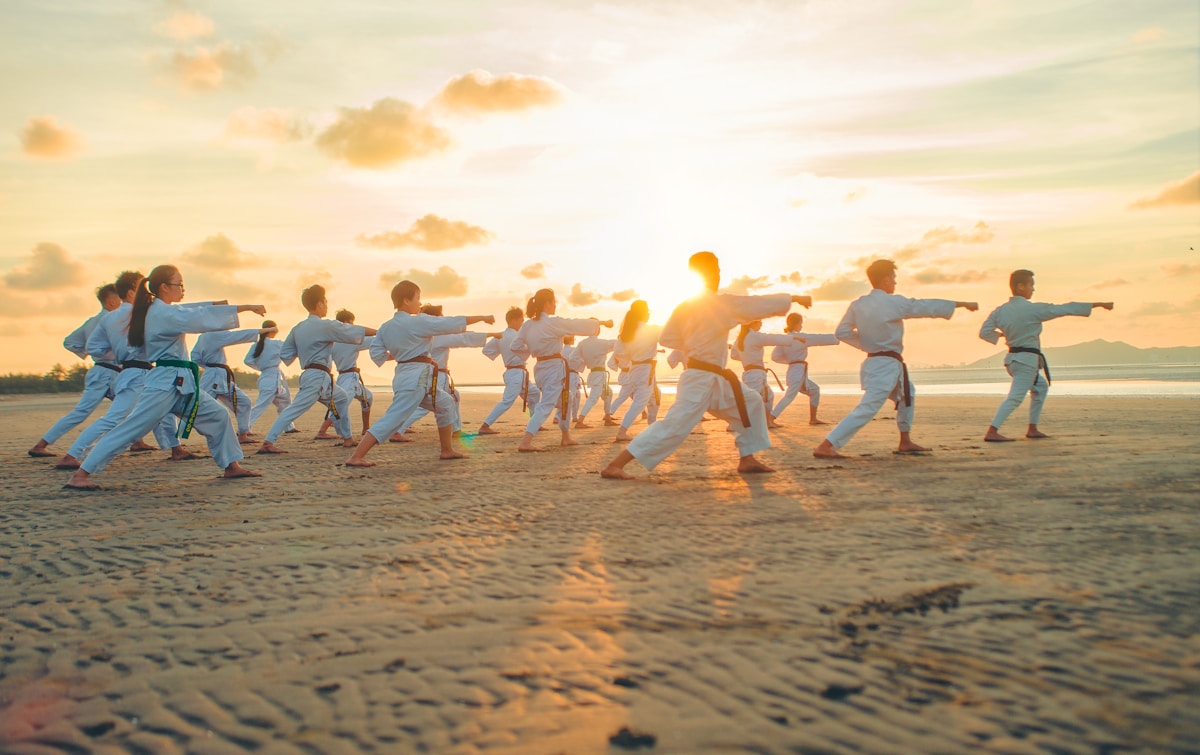
In a small room hidden from public view in Kabul, a young Afghan woman continues to coach taekwondo to girls and women, maintaining a quiet act of resistance against Taliban restrictions that have systematically dismantled women's rights to education, employment, and athletic participation.
The coach, whose identity is being protected for her safety, represents one of many Afghan women who have chosen resistance over surrender to the Taliban's gender-based restrictions, according to a report by Global Issues. Her continued training sessions, conducted in secret locations that change regularly, allow Afghan girls to maintain physical activity, community, and a sense of autonomy in an increasingly restrictive environment.
Since the Taliban's return to power in August 2021, Afghan women and girls have faced systematic exclusion from public life. The administration has banned women from universities, secondary schools for girls, most employment, parks, gyms, and sports facilities. For women athletes and coaches who spent years developing their skills under the previous government, these restrictions represent not just a loss of opportunity but an erasure of identity.
"They can ban us from official spaces, but they cannot take away what we know, what we can teach," the coach said, according to the report. "As long as there are girls who want to learn, who want to stay strong, I will find a way to teach them."
The underground sports sessions operate with extreme caution. Participants arrive separately, wearing full coverings required in public, and remove them only once inside secure locations. Training times vary to avoid patterns that might attract Taliban attention. Families of participants take significant risks by allowing their daughters to attend, as discovery could result in punishment for both the coach and students.
The psychological and physical benefits of these secret sessions extend beyond sport itself. For many young Afghan women, the training represents one of few remaining spaces where they can interact with peers, engage in physical activity, and experience a sense of normalcy and agency. In a society where women's mobility has been severely curtailed and opportunities for education and socialization eliminated, these gatherings provide crucial support networks.
International sports organizations and human rights groups have documented the Taliban's systematic destruction of women's athletics in . Female athletes who competed internationally, including members of national teams in sports like soccer, basketball, and martial arts, have either fled the country or gone into hiding. Sports facilities that once trained girls now stand empty or have been repurposed for male-only activities.