
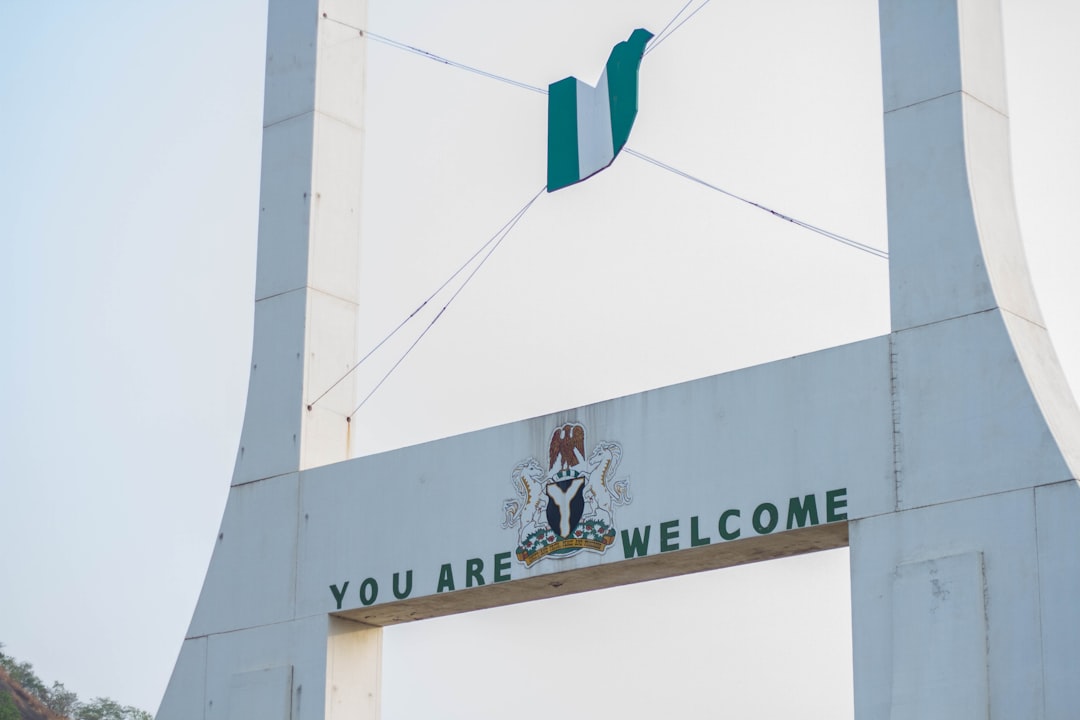
Abuja residents queued at polling stations Thursday morning as Federal Capital Territory elections got underway, testing local governance priorities in Nigeria's administrative heart.
The elections for FCT Area Council chairmen and councillors represent a distinct political contest from federal politics, with voters focused on service delivery, infrastructure, and capital-specific concerns rather than national party dynamics. Early turnout reports suggested moderate engagement across the six area councils, though lower than hoped by electoral officials.
Service delivery gaps dominated campaign discourse. Despite Abuja's status as Nigeria's capital, residents in outer districts like Gwagwalada and Kwali face chronic water shortages, poor road maintenance, and inadequate waste management—issues that fall under area council jurisdiction rather than federal authority.
"This election is about who fixes our roads and collects our rubbish," said a voter in Bwari, declining to give her name. "Federal politicians promise heaven. Area council chairmen actually control the sanitation trucks."
The Independent National Electoral Commission deployed observers to monitor process integrity, particularly after questions about voter registration irregularities in some districts. Early reports indicated generally smooth operations, though isolated incidents of late-opening polling units occurred in Abaji.
Unlike Lagos or Kano, where state governors command significant political machinery, Abuja's unique status as a federal territory means the Minister of the FCT—currently appointed rather than elected—holds substantial executive power. Area councils thus represent the only directly elected local governance layer for Abuja's estimated 3.8 million residents.
The elections also test whether voters prioritize party affiliation or local track records. Several incumbent chairmen face challenges from opposition candidates highlighting uncompleted projects and budget transparency concerns.
In Nigeria, as across Africa's giants, challenges are real but entrepreneurial energy and cultural creativity drive progress. While Abuja's governance structure remains complicated by its federal territory status, Thursday's elections demonstrate residents' insistence on accountability for basic services—the unglamorous but essential work of local government that compounds into livable cities over decades.
Results are expected within 48 hours, with runoffs scheduled where no candidate achieves the required threshold.