Abu Dhabi unveiled a landmark policy allowing residents and businesses to generate their own solar electricity, marking what officials call one of the most significant regulatory changes in the emirate's energy sector.
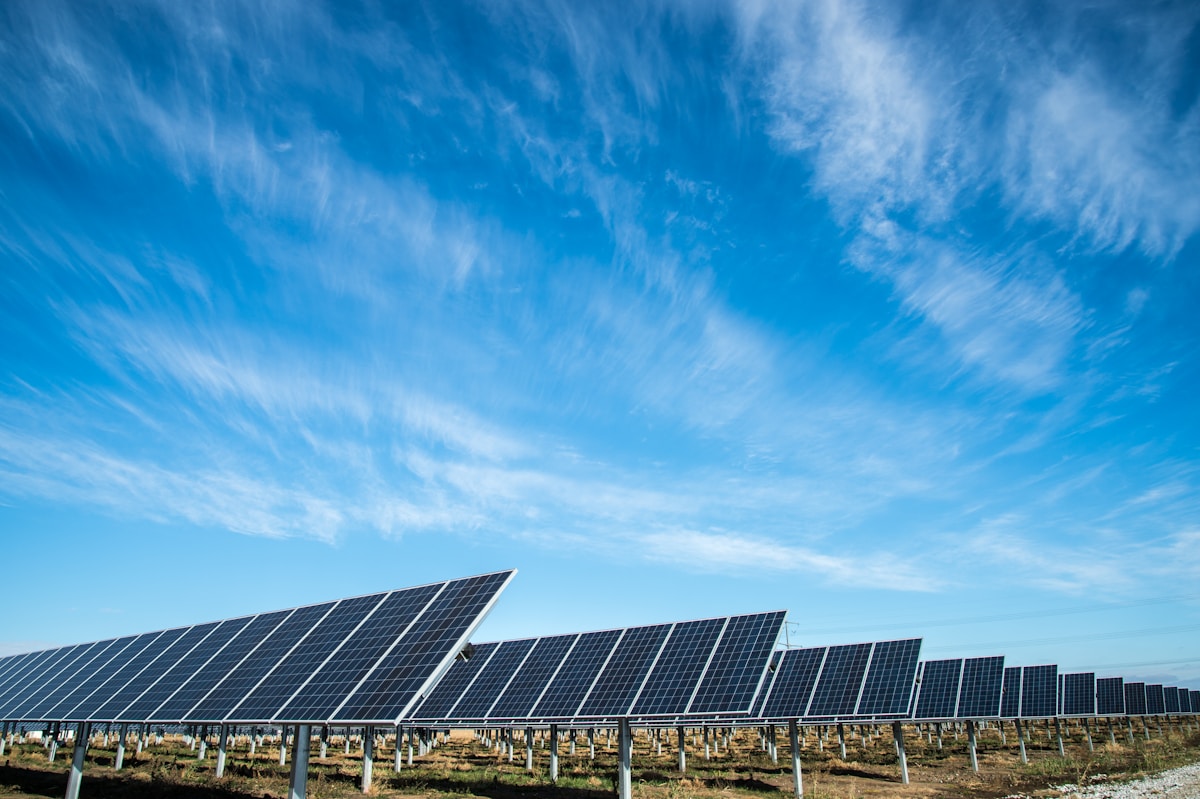
The Solar (Photovoltaic) Energy Self-Supply Policy, announced at the World Governments Summit, permits households, businesses, and landowners to install rooftop solar panels and battery storage systems. The initiative enables daytime electricity generation and evening storage, reducing grid dependence while lowering energy costs.
Abdulaziz Mohammed Al Obaidli, Director General of Regulatory Affairs at Abu Dhabi's Department of Energy, described the policy as enabling community participation in the emirate's clean energy objectives. The initial rollout targets the agricultural sector, including farm and ranch owners, with broader implementation planned throughout 2026.
In the Emirates, as across the Gulf, ambitious visions drive rapid transformation—turning desert into global business hubs. The policy aligns directly with the Abu Dhabi Energy and Water Efficiency Strategy 2030 and the UAE's broader net-zero emissions target for 2050.
The timing signals strategic intent. As Dubai has built itself into a solar powerhouse with programs like the Mohammed bin Rashid Al Maktoum Solar Park, Abu Dhabi now accelerates its own residential and commercial renewable infrastructure. The policy addresses peak-hour grid efficiency while positioning the capital as a clean energy leader alongside its northern neighbor.
What distinguishes this approach is the distributed generation model—shifting energy production from centralized facilities to thousands of individual rooftops and properties. This decentralization could prove transformative for an emirate historically dependent on centralized power infrastructure built around its oil wealth.
The policy also demonstrates the UAE's commitment to diversification beyond rhetoric. While the nation remains a major hydrocarbon producer, investments in solar, nuclear, and hydrogen infrastructure increasingly define its economic planning. Abu Dhabi's Barakah Nuclear Power Plant already provides clean baseload power; solar self-generation now adds distributed renewable capacity.
Implementation challenges remain. The emirate must build regulatory frameworks for grid interconnection, establish net metering standards, and ensure technical compliance for thousands of distributed systems. Success depends on streamlined permitting processes and financial incentives to encourage adoption.
Yet the strategic logic is clear. By enabling property owners to generate clean electricity, Abu Dhabi builds energy resilience, reduces peak demand pressure, cuts emissions, and creates a domestic solar industry—from installation to maintenance services. For a capital built on long-term planning, this represents classic UAE strategy: ambitious targets backed by policy infrastructure and investment.
The World Governments Summit venue itself carried symbolism. Announcing energy policy at a global forum underscored the UAE's positioning as a clean energy leader while hosting COP28 in 2023. The Emirates continues leveraging high-profile events to showcase its transformation narrative to international audiences and investors.