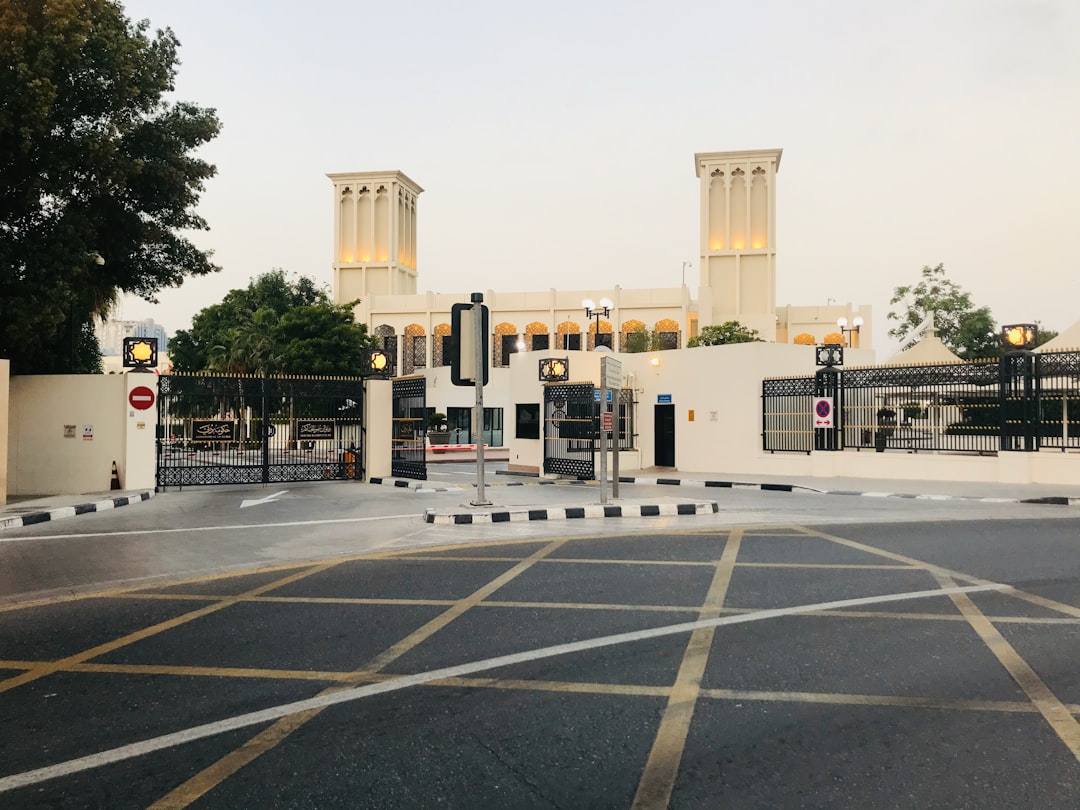
Authorities in the United Arab Emirates have detained 70 British nationals, reportedly for photographing potential security-sensitive locations, as regional tensions heighten security enforcement across the Gulf business hub.
The arrests, reported by British media, involve charges that could carry prison sentences up to ten years. The detentions center on allegations of photographing infrastructure or military installations—activities that might have drawn little attention during peacetime but now trigger serious security responses.
In the Emirates, as across the Gulf, ambitious visions drive rapid transformation—turning desert into global business hubs. Yet the current security environment forces a stark tension between the openness that attracts international business and the security restrictions deemed necessary during regional conflict.
The scale of the detentions—70 individuals—suggests systematic enforcement rather than isolated incidents. UAE authorities appear to be implementing broad security measures targeting potential intelligence gathering or surveillance activities amid escalating regional military confrontations.
For the expatriate community that forms the majority of UAE's population, the arrests inject new uncertainty into daily life. What constitutes acceptable photography? Which locations now carry security sensitivities? The ambiguity complicates routine activities for residents accustomed to Dubai's relatively open environment.
British diplomatic officials have confirmed awareness of the detentions and indicated they are providing consular assistance. However, the UK government faces limited leverage—UAE authorities operate within their sovereign jurisdiction, particularly on security matters they define as related to national defense.
The timing amplifies concerns. The detentions coincide with direct missile attacks on UAE territory and Western government warnings about potential targeting of infrastructure. In this environment, authorities evidently consider photography of certain locations as potential reconnaissance rather than tourism or personal documentation.