Approximately 620,000 women and girls have been forced to flee their homes since conflict escalated in Lebanon on March 2, according to UN Women, representing nearly one-quarter of the country's entire female population and exposing a humanitarian crisis with devastating long-term implications.
The displaced include Lebanese nationals, Syrian refugees who had already fled one war, Palestinians from generations-old refugee camps, and migrant domestic workers—communities now experiencing compounding layers of trauma and vulnerability.
Gielan El Messiri, UN Women's Representative in Lebanon, told a press briefing this week that women and girls constitute more than half of all displaced persons. "Understanding how women and girls are experiencing this conflict is essential to understanding the full humanitarian impact of this crisis," she said.
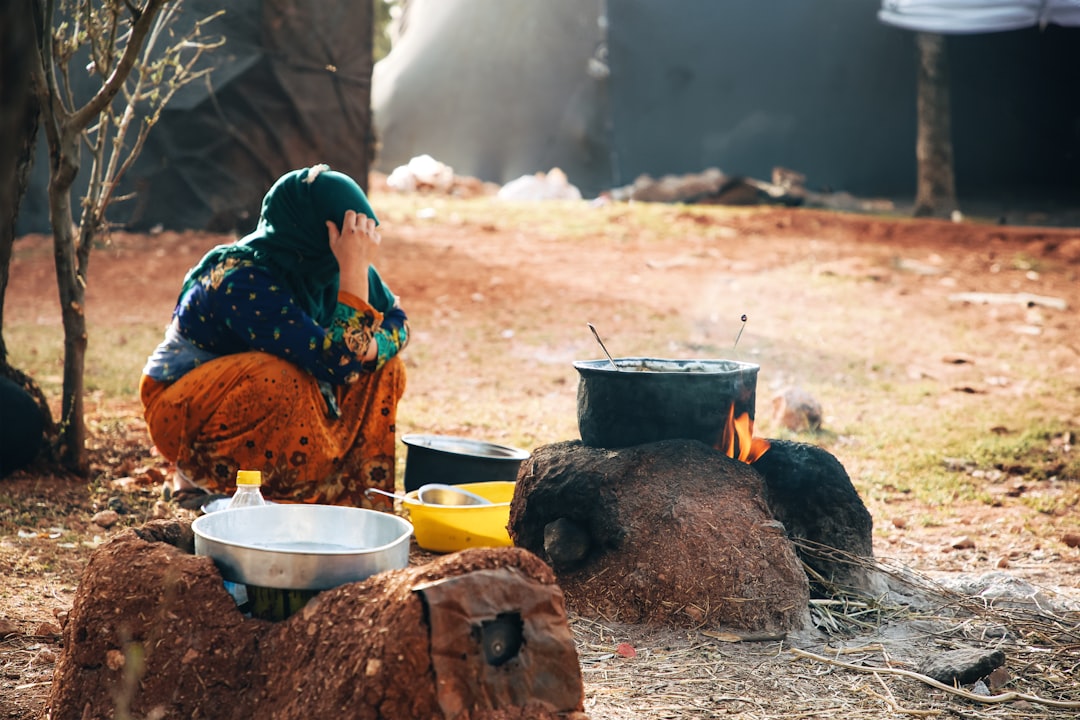
The majority—approximately 85 percent—are not sheltering in formal facilities but rather in overcrowded apartments, makeshift arrangements, and informal settings, primarily concentrated in Beirut and Mount Lebanon. These conditions create what UN Women describes as "serious protection risks, including exploitation, abuse, and gender-based violence."
The statistics tell only part of the story. Behind the numbers are women skipping meals so their children can eat. Elderly women forgoing medication for chronic conditions because resources must be rationed. Pregnant women delivering babies in shelters with minimal medical access. Girls whose education has been interrupted, perhaps permanently.
"The mental health needs are rising, driven by persistent fear and psychological strain," the UN Women briefing noted, describing an invisible crisis within the visible displacement.
For Syrian refugee women, the displacement represents a second or even third forced migration. Many fled to Lebanon over a decade ago, rebuilt lives in difficult circumstances, and now face displacement again. Their legal status in Lebanon remains precarious, limiting their access to services and protection even before the current crisis.
Palestinian women from refugee camps face similar compounding vulnerabilities. Residents of camps like Ain al-Hilweh or Nahr al-Bared have lived for generations with limited legal rights and economic opportunities. Displacement from these already marginalized communities pushes them further to society's edges.