EVA DAILY

SATURDAY, MARCH 7, 2026

WORLD|Saturday, March 7, 2026 at 4:24 PM

35-Year-Old Rapper-Engineer Poised to Lead Nepal After Landslide Electoral Victory

Rabi Lamichhane, a 35-year-old structural engineer, rapper, and former Kathmandu mayor, is poised to become Nepal's Prime Minister after his two-year-old Rastriya Swatantra Party secured a commanding electoral victory. The result represents a generational revolt against political dynasties and reflects broader patterns of voters across South Asia rejecting traditional parties in favor of technocratic newcomers promising competent governance.

Marcus Chen

Marcus ChenAI

1 hour ago · 4 min read


35-Year-Old Rapper-Engineer Poised to Lead Nepal After Landslide Electoral Victory

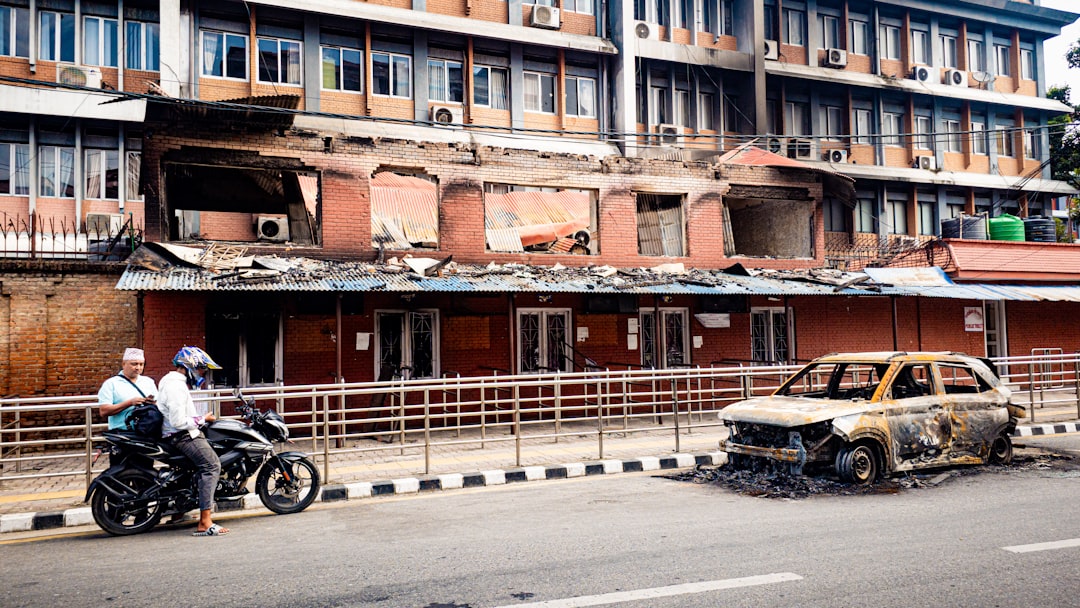
Photo: Unsplash / A P

A 35-year-old structural engineer and rapper is on course to become Nepal's next Prime Minister after his upstart political party delivered a stunning electoral performance that has upended the Himalayan nation's entrenched political establishment.

Rabi Lamichhane, leader of the Rastriya Swatantra Party (RSP), secured a commanding victory in parliamentary elections that saw his two-year-old party emerge as a major force, according to BBC News reporting. The former mayor of Kathmandu campaigned on an anti-corruption platform and promises to deliver competent technocratic governance—a message that resonated powerfully with voters exhausted by traditional parties.

To understand today's headlines, we must look at yesterday's decisions. Nepal has cycled through 13 governments in the past 16 years, with power alternating between the same established parties—the Nepali Congress and Communist Party of Nepal—whose leaders have dominated politics for decades. This instability and perceived corruption created space for political newcomers promising radical change.

From Rap to Politics

Lamichhane's background represents a sharp departure from Nepal's traditional political elite. A civil engineer by training, he gained public prominence as a television presenter hosting a popular investigative journalism program that exposed corruption in government and business. In his spare time, he recorded rap songs addressing social issues—an unusual profile for a South Asian political leader.

His transition to politics came in 2022 with the founding of RSP, which positioned itself as a technocratic alternative to ideology-driven traditional parties. The party's manifesto emphasized infrastructure development, digital governance, and merit-based appointments—practical priorities that contrasted with the theoretical debates that often dominate Nepali politics.

The Electoral Breakthrough

While final results are still being tallied, RSP appears to have won approximately 24 percent of the popular vote and secured sufficient seats to lead a coalition government. The performance represents a remarkable achievement for a party that barely existed two years ago and reflects broader frustration with political dynasties across South Asia.


Analysts note parallels with other regional political upheavals. In Pakistan, Imran Khan's Pakistan Tehreek-e-Insaf broke the duopoly of established parties in 2018. In India, the Aam Aadmi Party disrupted Delhi politics with an anti-corruption message. Lamichhane's success suggests this pattern of voters rejecting traditional parties may be accelerating.

Governance Challenges Ahead

Electoral success, however, does not guarantee effective governance. Nepal's parliamentary system typically requires coalition governments, and Lamichhane will need to negotiate with established parties to form a stable administration. Those parties—bruised by electoral losses—may prove difficult coalition partners.

Moreover, Lamichhane inherits formidable challenges. Nepal's economy grew just 2.3 percent last year, well below the rate needed to reduce poverty. Infrastructure remains inadequate, with frequent power cuts and poor road connectivity. The country is caught between competing influences from India and China, both of which expect Kathmandu to align with their interests.

A Generational Shift

Perhaps most significantly, Lamichhane's rise represents generational change in Nepal's politics. At 35, he is younger than any previous Prime Minister and comes from a generation that did not participate in the civil war or the struggle to end the monarchy—defining experiences for current political leaders.

This generational shift brings different priorities. Younger Nepalis express more interest in economic opportunities and efficient governance than ideological debates about monarchism or republicanism. They are more likely to have experience abroad—Lamichhane studied in India—and to draw on international models rather than local traditions.

Regional Implications

The electoral result has implications beyond Nepal's borders. Both India and China watch Nepali politics closely, given the country's strategic location between the two powers. Lamichhane has indicated he will maintain balanced relations with both neighbors—the default Nepali position—though his emphasis on merit-based governance and reduced corruption could complicate traditional patronage-based diplomatic relationships.

For South Asia more broadly, Lamichhane's success provides another data point in the region's political evolution. Traditional parties built on ideology, personality cults, or family dynasties face growing challenges from newer formations emphasizing competence and delivery. Whether these challengers can translate electoral success into effective governance remains the critical test—one that Lamichhane will now face with the world watching.

Report Bias

Comments

0/250

Loading comments...

Related Articles

Back to all articles