The onebag travel community has a mantra: the best gear is what works for you. But a recent 7-day trip to Thailand proves that "what works" might not be what traditional travel gear companies are selling.
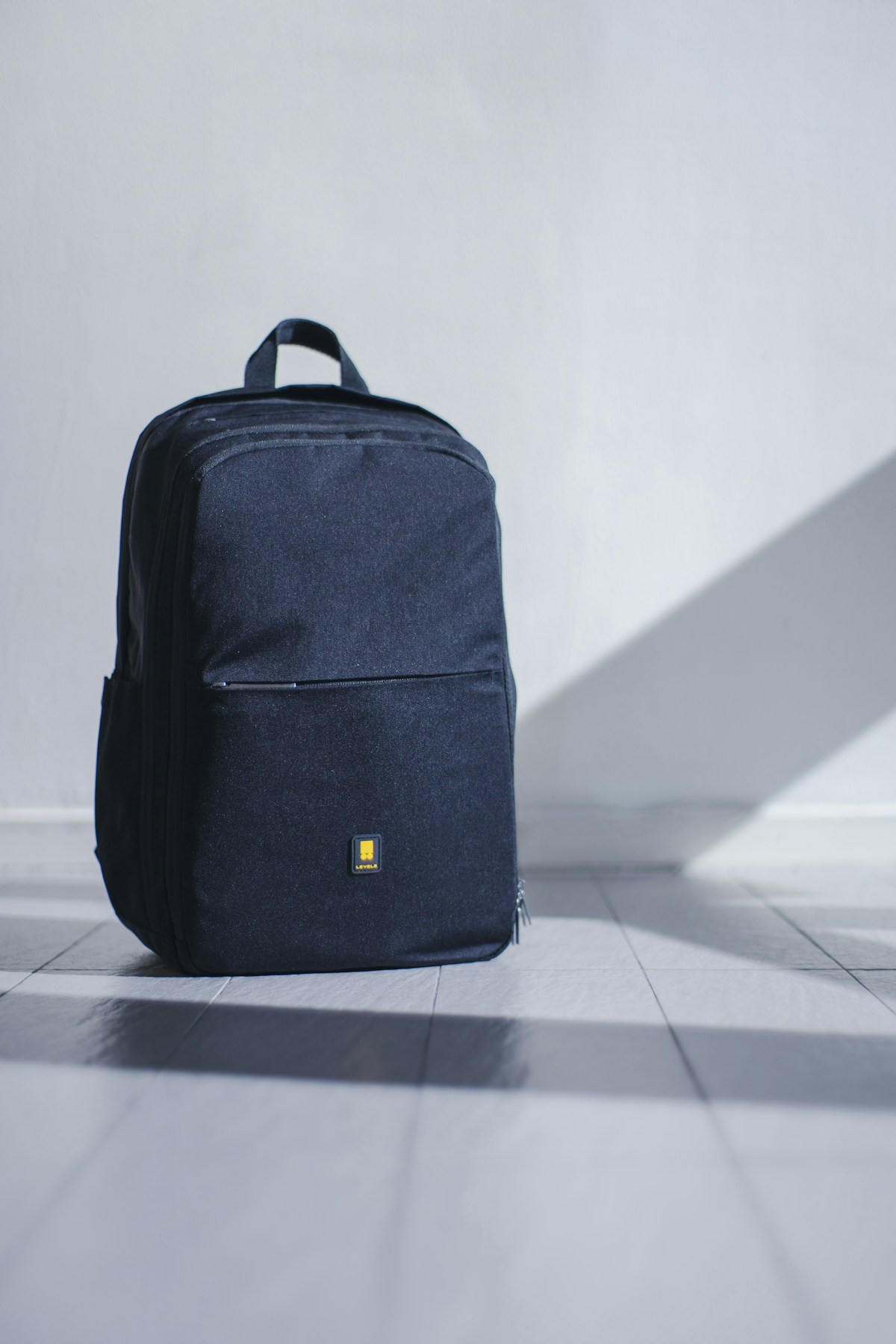
A traveler successfully completed a week in Thailand using a Deuter Trans Alpine 30L—a biking backpack, not a travel pack—and the results challenge conventional wisdom about travel gear.
The bag, designed for mountain bikers, offered features that traditional travel backpacks often lack: superior harness system, functional hip belt, and compact design that remained comfortable during long walks and quick grabs onto bike taxis.
The packing strategy was ruthlessly minimal. Two small IKEA cubes for clothes and essentials. A toiletry organizer. All electronics in a single mesh bag. Crocs in the lower compartment. Total capacity used: about two-thirds of the 30L volume.
What's significant here isn't the specific bag—it's the philosophy. As onebag travel gains popularity, travelers are discovering that specialized outdoor gear often outperforms traditional luggage for a fraction of the cost.
Bike bags, climbing packs, and ultralight hiking gear are designed for weight efficiency, weather resistance, and all-day comfort. These are precisely the qualities budget travelers need.
The Thailand test highlighted another advantage: invisibility. A 30L bike pack doesn't scream "tourist" the way rolling luggage and brightly-colored travel backpacks do. It blends in, reducing both theft risk and the "foreigner tax" at local markets.
The setup wasn't without compromises. The bag's main compartment opens fully like a clamshell—convenient for packing but potentially messy in cramped hostel situations. A planned daypack was used only once, suggesting it could be replaced with a lighter tote bag.
Interestingly, the traveler bought additional clothing during the trip—two Uniqlo t-shirts and linen pants—demonstrating a key budget travel principle: .