

If you were planning to renovate your kitchen or replace your roof this year, I have bad news: it just got more expensive. The White House announced new 25% tariffs on steel, aluminum, and copper imports on April 2, and those costs are going to flow straight through to consumers.
The official fact sheet frames this as "strengthening American manufacturing," but let's cut through the doublespeak. Tariffs are taxes. American companies that buy imported metals will pay 25% more, and they're not going to eat that cost out of goodwill.
Here's what that means in practice. Steel goes into appliances, vehicles, and construction materials. Your new dishwasher? More expensive. Replacing your HVAC system? More expensive. Building an addition? You guessed it.
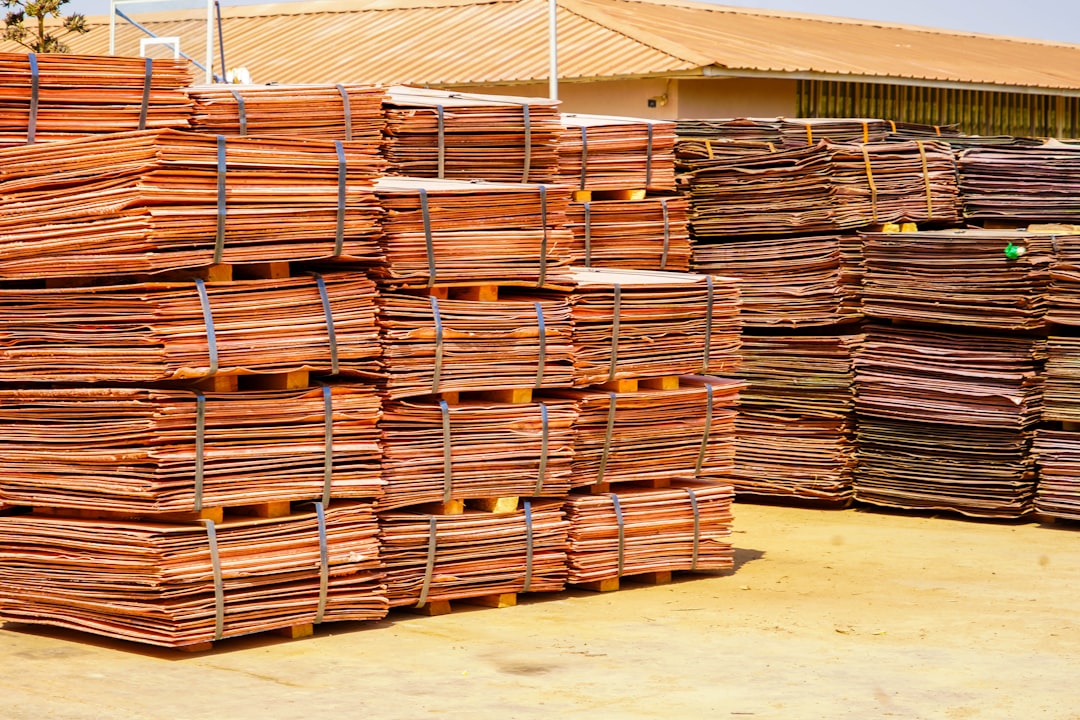
Copper is in electrical wiring, plumbing, and HVAC systems. If your house needs rewiring or new pipes, the material costs just jumped. And good luck finding a contractor who isn't going to pass that increase straight to you.
Aluminum hits everything from window frames to siding to beverage cans. Even your beer is about to cost more.
The argument from Washington is always the same: these tariffs protect American jobs in steel mills and mining. And sure, some domestic producers will benefit. If you own shares in U.S. Steel or Nucor, congratulations, you might see a bump.
But here's the thing about tariffs: they help a narrow group of producers while spreading costs across millions of consumers. For every steel worker whose job gets protected, there are thousands of homeowners, contractors, and manufacturers paying more for materials.
And it's not just homeowners. Any company that uses these metals as inputs just saw their costs go up. Auto manufacturers, appliance makers, construction firms - they all rely on steel, copper, and aluminum. Higher input costs mean either lower margins or higher prices. Probably both.
If you're invested in those sectors, this is worth watching. Companies with tight margins and heavy reliance on imported metals are going to feel this. Some will try to pass costs to customers. Some will eat the margin hit. Neither is great.


