
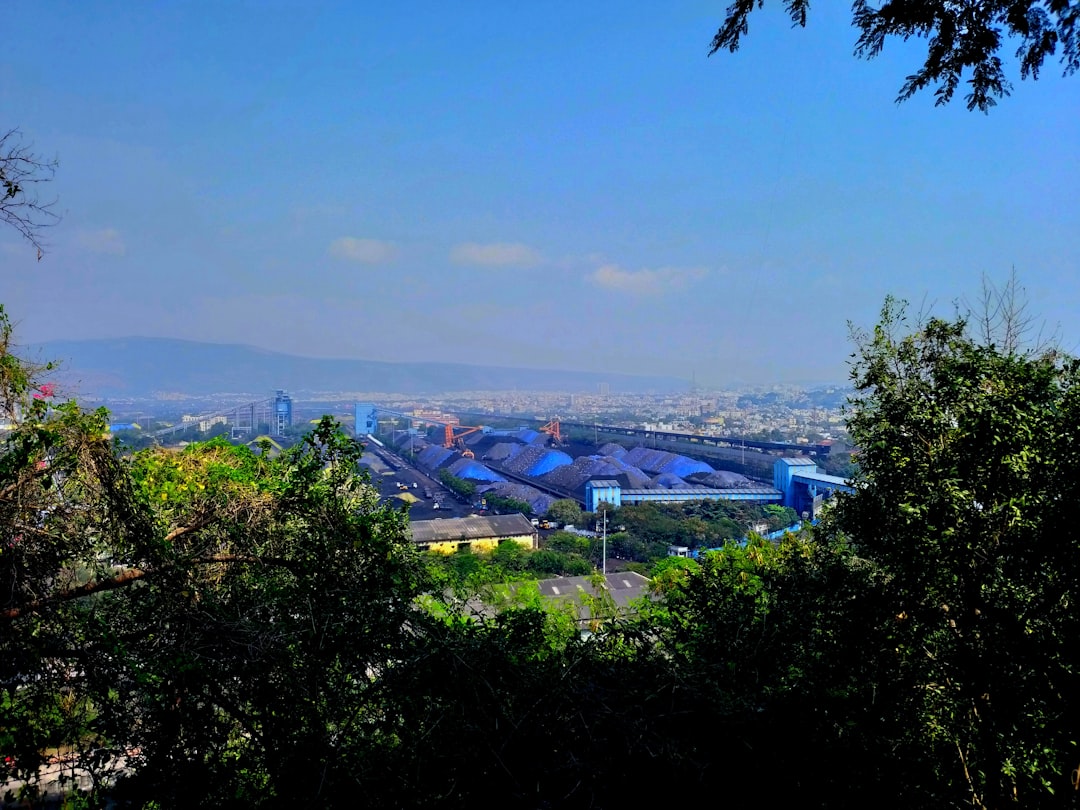
India's decision to exempt 80% of coal-fired thermal power plants from installing sulphur emission controls will cause 124,564 premature deaths annually, according to a study by IIT Delhi's Centre for Atmospheric Sciences.
A billion people aren't a statistic - they're a billion stories. For families living near thermal plants in Chhattisgarh and Odisha, this isn't about policy debates - it's about children with asthma and parents dying of respiratory disease.
The study reveals that completely mitigating sulphur dioxide emissions could reduce fine particulate matter concentrations by 0.3 to 12 µg/m³ across India. In eastern and central states - the country's coal belt - reductions could reach approximately 8 µg/m³, preventing 14,777 deaths from cardiovascular disease and 8,476 from respiratory causes.
The human cost falls disproportionately on those least equipped to bear it. Researchers emphasize that vulnerable populations - particularly Other Backward Classes (OBC) and Scheduled Castes/Tribes (SC/ST) - would gain the most from improved air quality. These communities typically live closest to industrial zones and have the least access to healthcare.
India presents a unique and troubling pattern globally. While worldwide sulphur dioxide emissions decreased from 44.11 to 19.37 thousand kilotons annually between 2005-2021, India's emissions increased from 2.36 to 5.05 thousand kilotons during the same period - rising approximately 30% by 2023.
China, facing similar development pressures, took the opposite path. Beijing mandated flue-gas desulphurisation (FGD) systems across its coal fleet, dramatically reducing emissions even as its economy grew. India's coal plants, many built in the past two decades, lack these basic pollution controls.
The regions bearing the heaviest burden are Chhattisgarh and Odisha, followed by Maharashtra and Madhya Pradesh. These states host India's largest concentration of thermal power plants, supplying electricity to much of the country while their own residents breathe toxic air.
Experts argue the economic case is clear: installing FGD systems - which reduce approximately 95% of sulphur emissions - would prove more cost-effective than the resulting healthcare expenses. The technology exists and is proven globally.
But India's power sector resists. Plant operators cite costs and technical challenges. The central government, facing pressure to keep electricity affordable and maintain coal employment, has repeatedly delayed emission deadlines.
For Sunita Devi, a farmer in Singrauli - home to India's largest concentration of coal plants - the debate is academic. Her husband died of lung disease at 48. Her children miss school regularly due to respiratory infections. The air quality index in her village regularly exceeds "hazardous" levels.
124,000 deaths per year. That's one person every four minutes. That's equivalent to a major city disappearing annually. And the toll will continue until India chooses people over convenience.